Koenigsegg recalls every US CC850 over parking‑brake fault
All seven CC850s delivered to the United States are part of an NHTSA-filed recall after the electronic parking brake can fail to remain engaged when the Engage Shift System gearbox is placed in reverse. The fix is a software update delivered OTA or at dealers.
By Rudi Louw ·
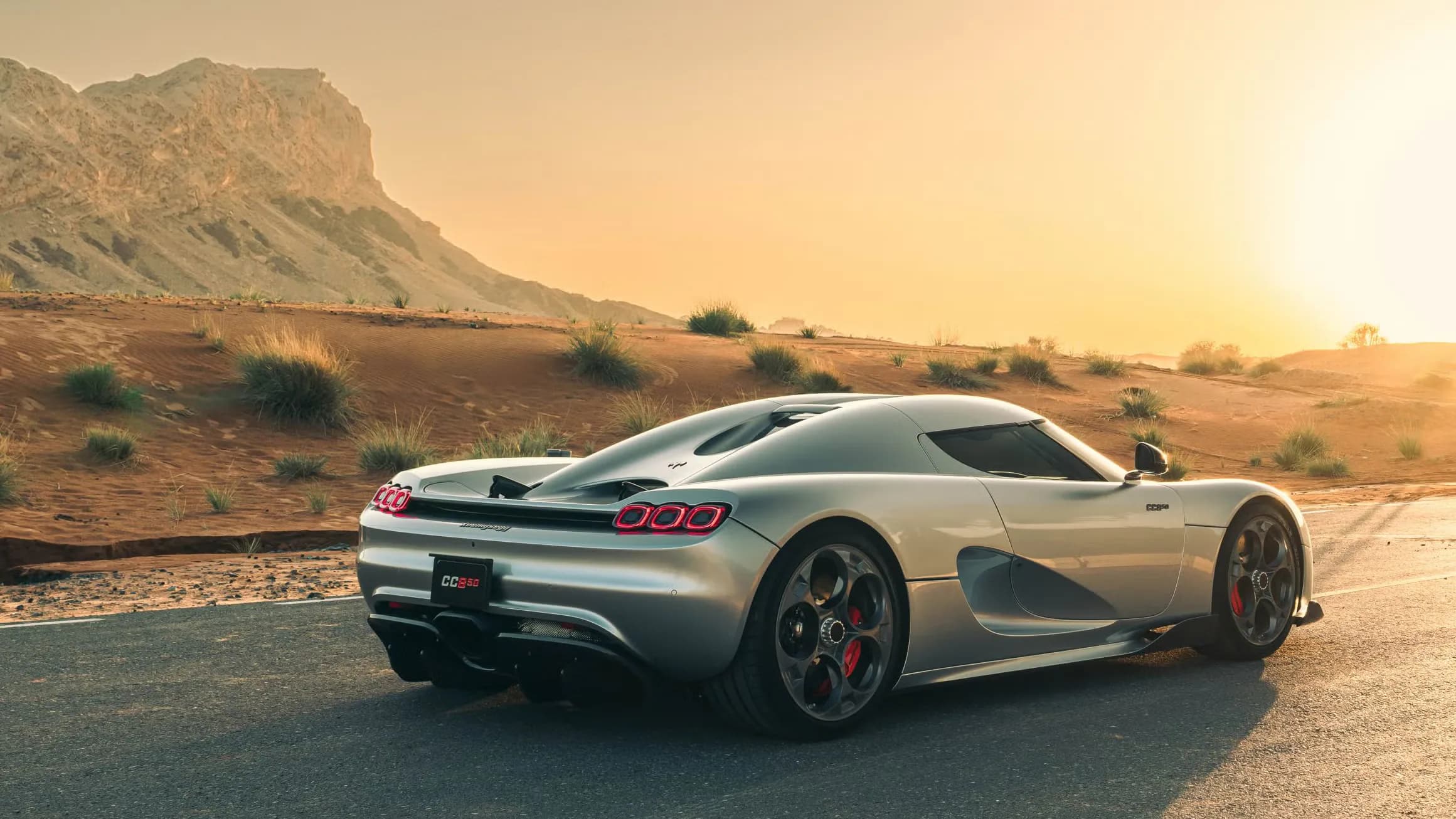
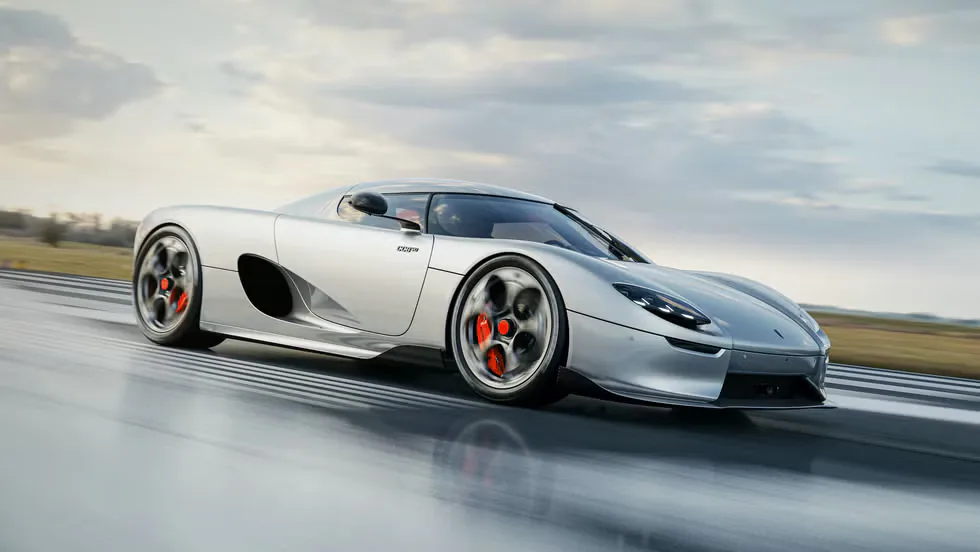
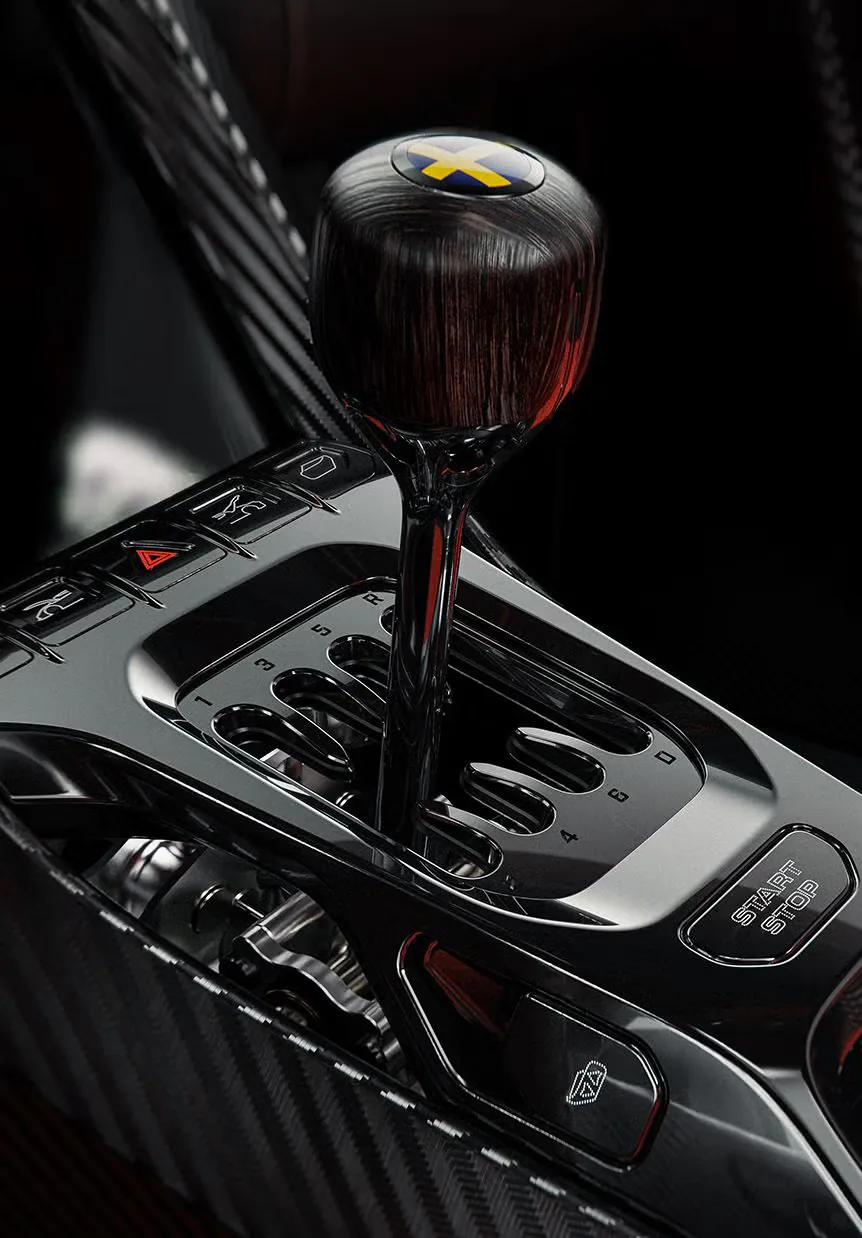
Koenigsegg has recalled every CC850 that has been delivered to the United States because its electronic parking brake can fail to remain engaged when the car’s unusual Engage Shift System gearbox is in reverse, according to documents filed with the National Highway Traffic Safety Administration.
The CC850 is an ultra‑limited model — only 70 examples will be built — and roughly 10% of that run (seven cars) were allocated to the US. NHTSA’s recall filing, dated 21 October 2026, covers each of those seven US cars.
The fault occurs only under a specific set of conditions: when the engine is running and the Engage Shift System gearbox is in reverse, the electronic parking brake will remain engaged only so long as the driver continuously depresses the parking‑brake button. If the driver releases the button while the car is in that state, the parking brake can disengage.
"If the driver leaves the vehicle in this state (with reverse gear engaged, engine running and no footbrake applied), the vehicle can roll if the car is on a non-flat surface without driver input. This increases the risk of unintended vehicle movement," said the recall documents.
NHTSA’s documents say the electronic parking‑brake indicator functions as usual: it illuminates red when the brake is engaged and switches off when it is not. The recall notification advises CC850 owners to rely on that indicator to confirm the parking brake is active.
The filing also notes the issue is not one of non‑compliance with federal motor vehicle safety standards because Koenigsegg’s parking‑brake behaviour falls outside the scope of traditional static parking brake tests. In other words, the company’s system operates differently from the systems those tests are designed to assess.
Koenigsegg first became aware of the problem on 12 October 2026 after receiving a report that a CC850 rolled away as the driver exited the vehicle with the electronic parking brake applied and the gearbox in reverse. The company opened an investigation that day, continued investigating the matter during the following week and determined on 19 October that a safety improvement should be made. It then filed the recall with NHTSA on 21 October.
The manufacturer says there have been no injuries related to the fault. The recall documents identify the primary hazard as an increased risk of unintended vehicle movement — a roll‑away — when the specific combination of engine on, gearbox in reverse and no footbrake applied occurs.
Koenigsegg plans to remedy the issue with a software change. The company will deliver a parking‑brake control software update over‑the‑air to affected vehicles. Where an over‑the‑air update is unsuccessful, owners will be instructed to take their cars to an authorised dealer for a software update.
The recall therefore affects only the CC850s that have already been delivered to buyers in the US; NHTSA’s filing covers those seven cars. The documents do not state any wider production change or additional corrective actions beyond the software update process.
Because the CC850 is an extremely limited model, the recall involves a very small number of vehicles compared with typical NHTSA recalls. Still, the manufacturer and regulator moved relatively quickly: the initial report and investigation began on 12 October, a safety improvement was decided on 19 October, and the recall was filed on 21 October.
Owners of affected CC850s will be notified through the recall process about the over‑the‑air update and dealer support. The recall documents instruct owners to use the electronic parking‑brake indicator as the confirmation that the brake is engaged while the company’s software fix is applied.
Sources: Road & Track and Motor1