Jeep’s Wrangler Scrambler SRT concept brings independent front suspension and a usable pickup bed
Unveiled at SEMA, the two‑door Scrambler SRT pairs a bespoke high‑travel independent front end with a Trophy Truck–style rear, reversible jump seats and what several outlets report is a V8 powerplant.
By Rudi Louw ·
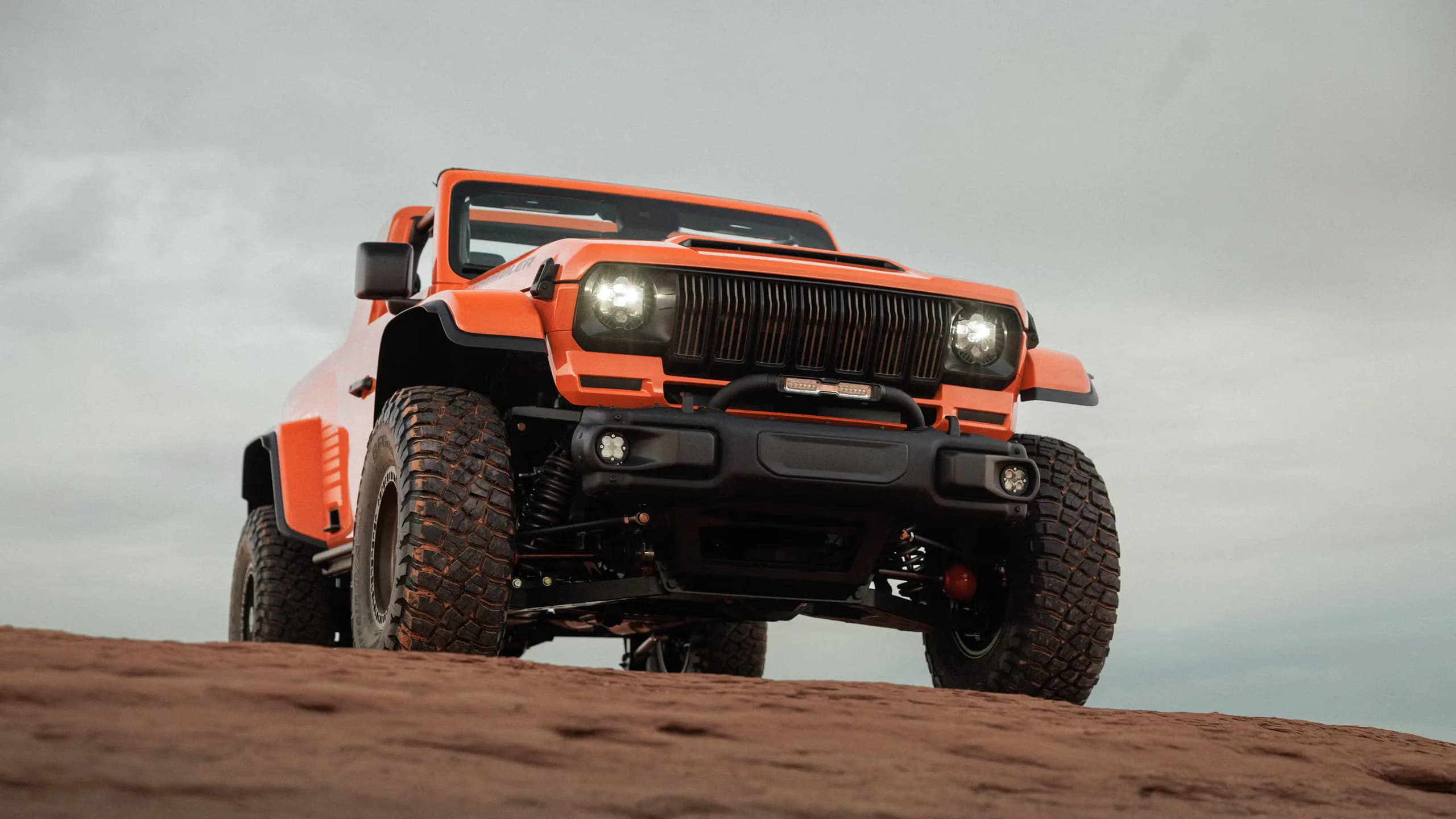
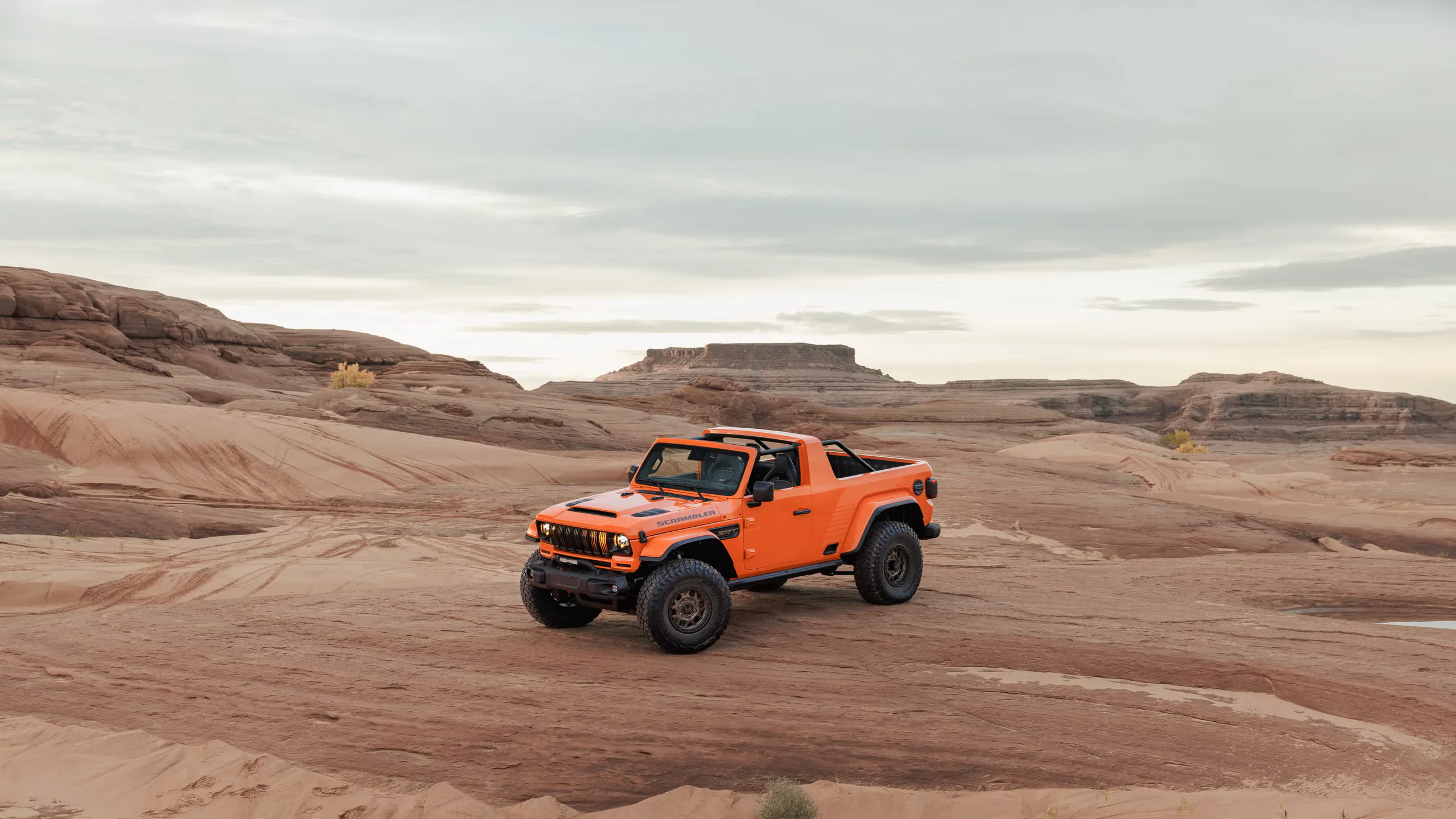
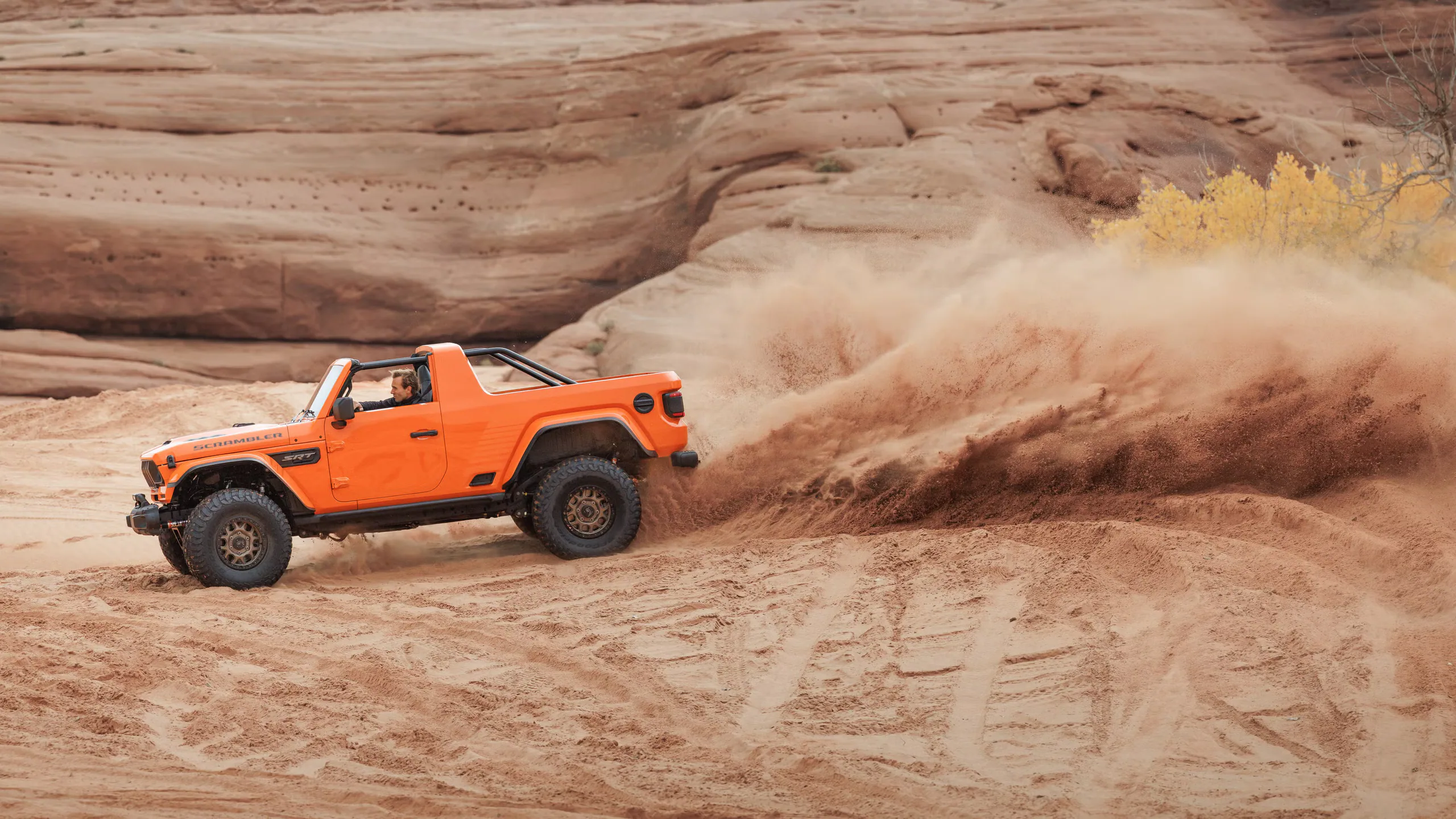
Jeep rolled out the Wrangler Scrambler SRT concept at SEMA in Las Vegas, presenting a two‑door, Wrangler‑based pickup that swaps one of the brand’s longest‑running traditions—a solid front axle—for a purpose‑built independent front suspension.
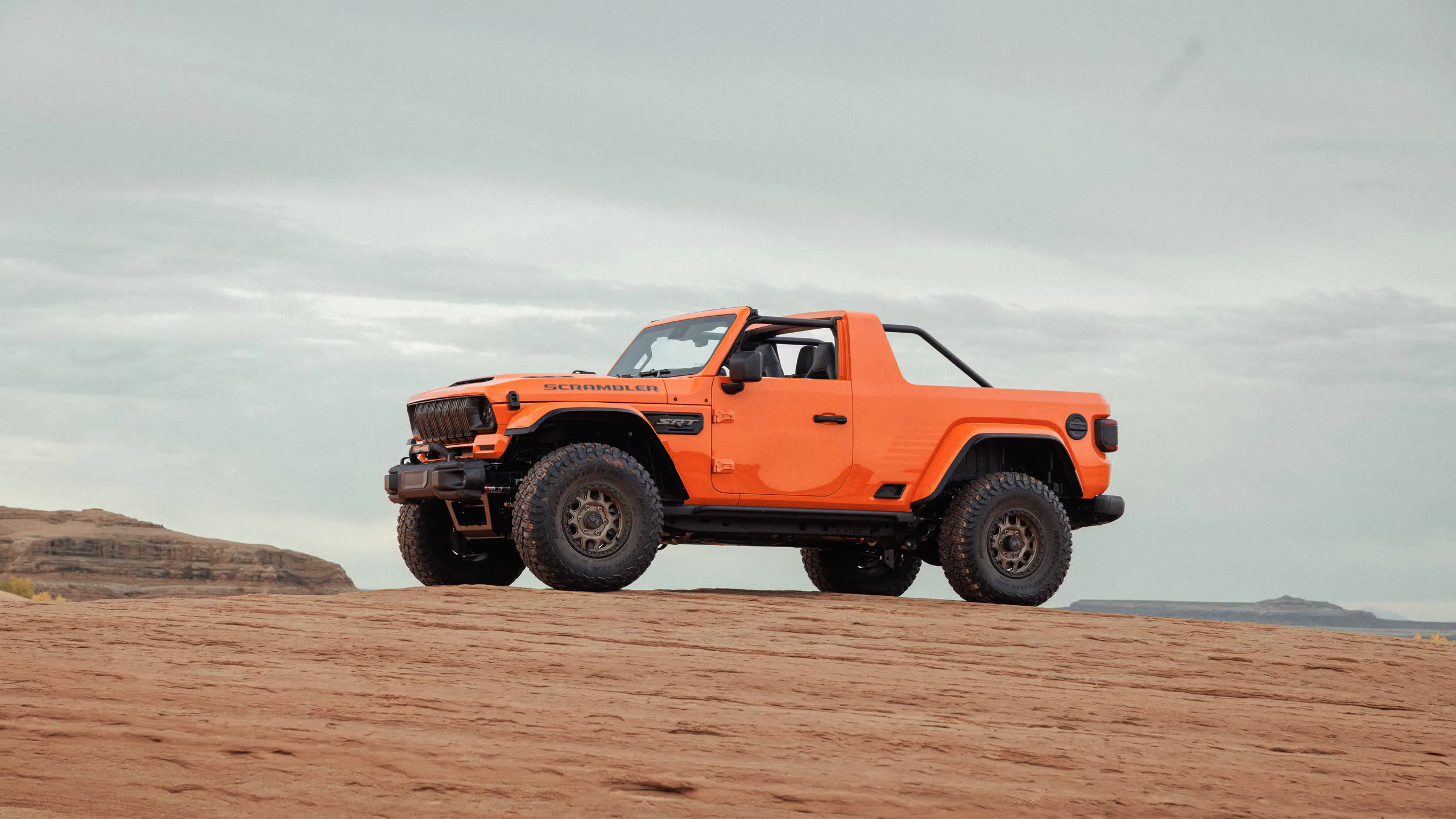
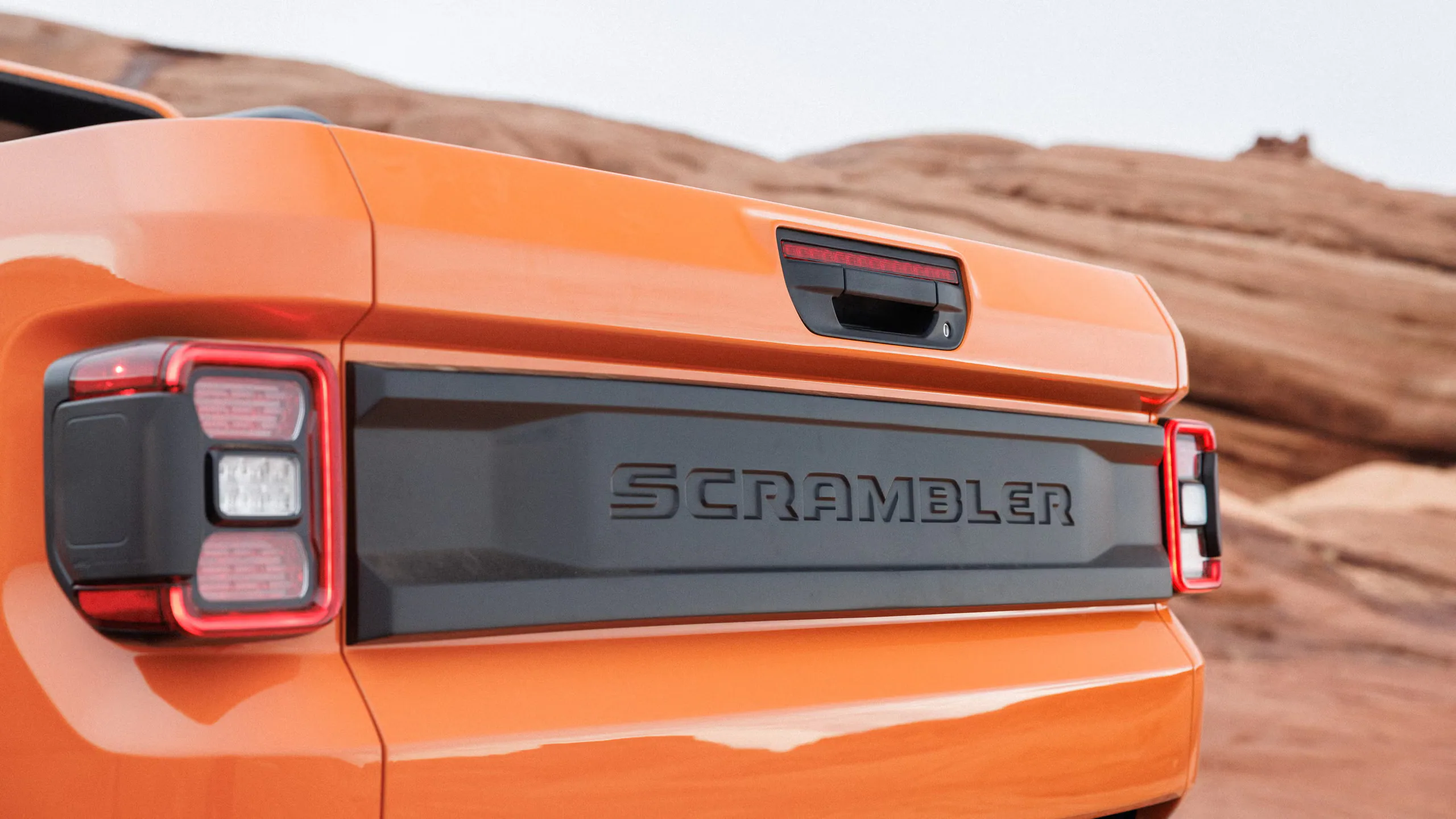
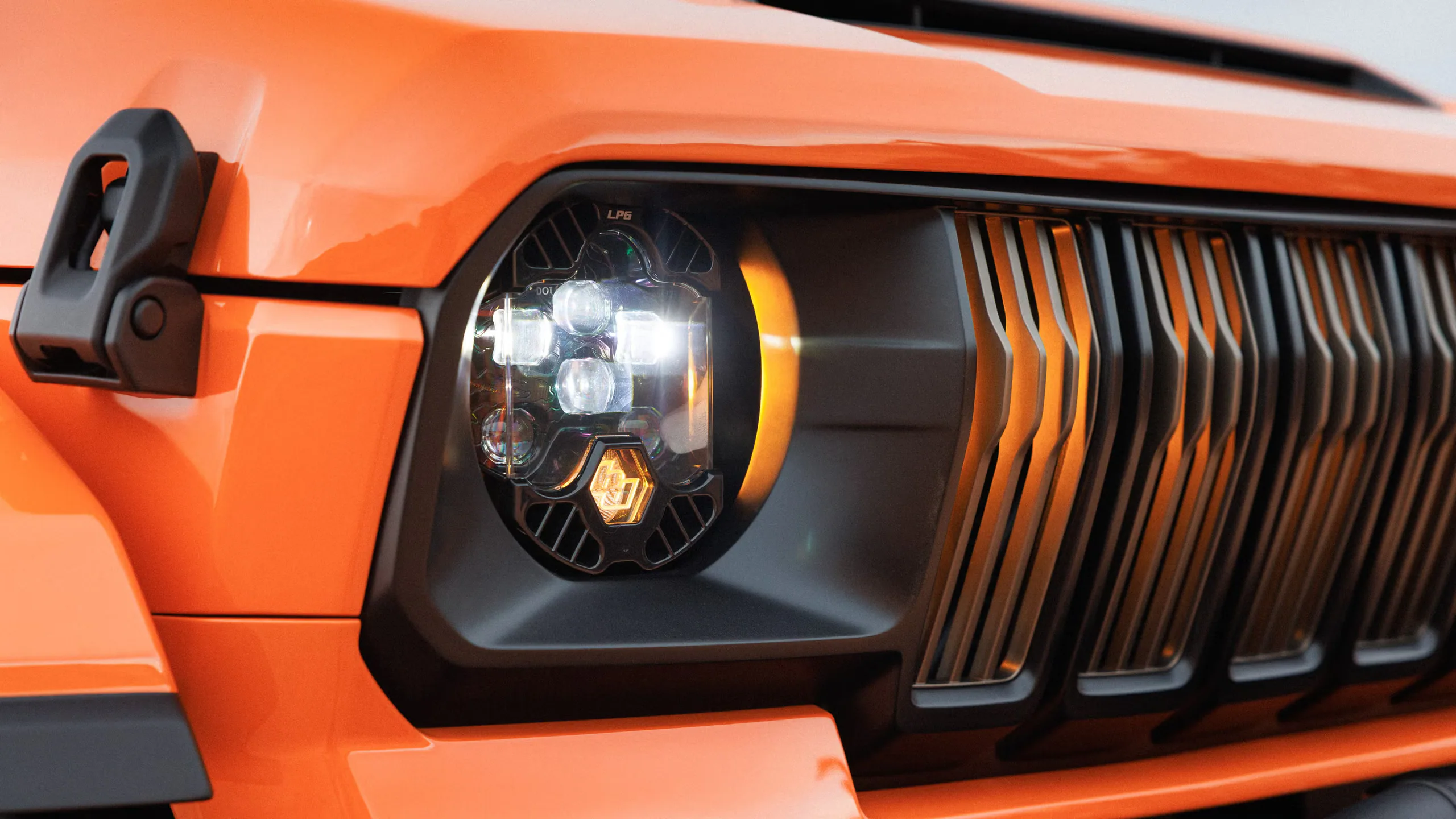
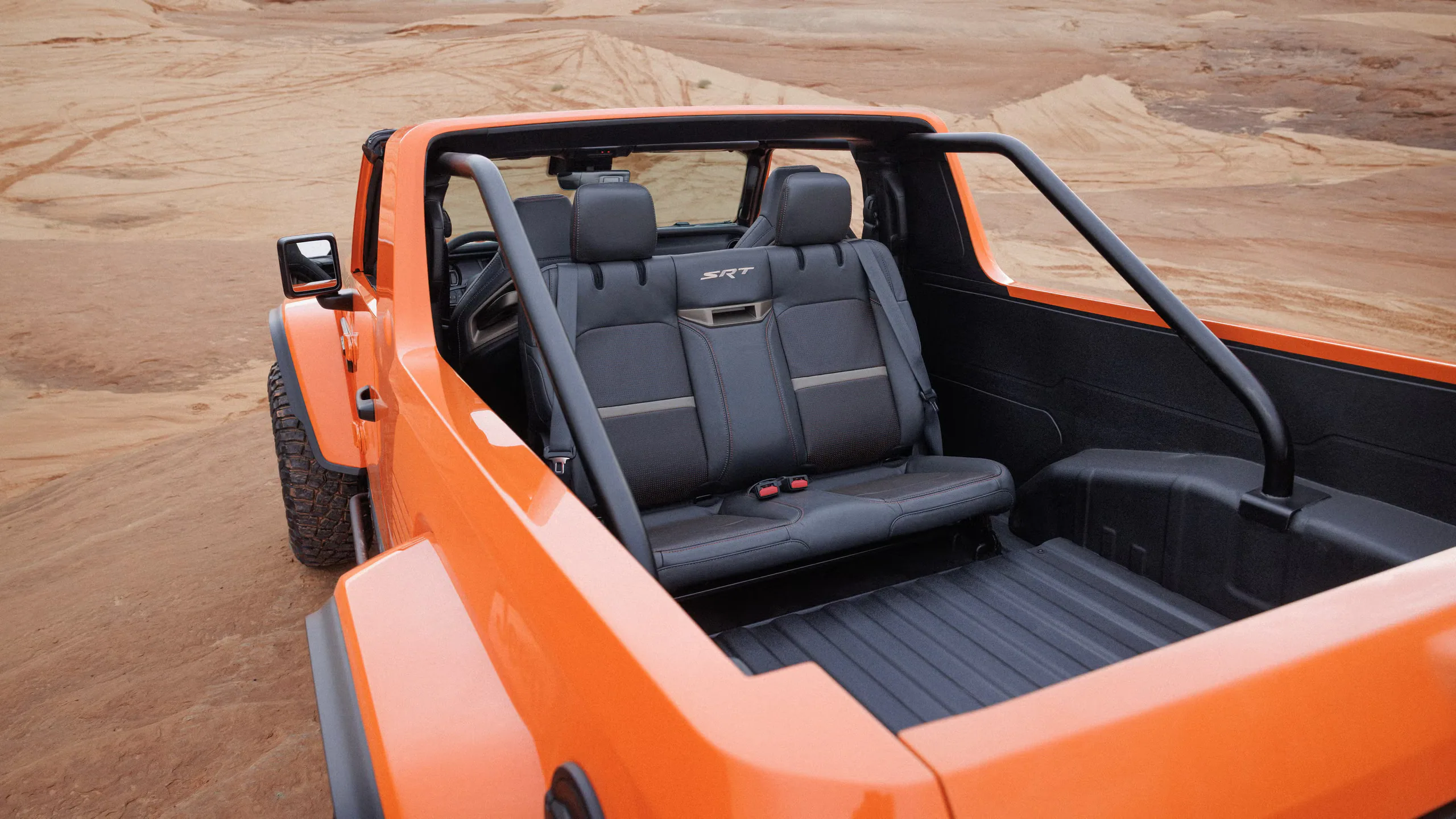
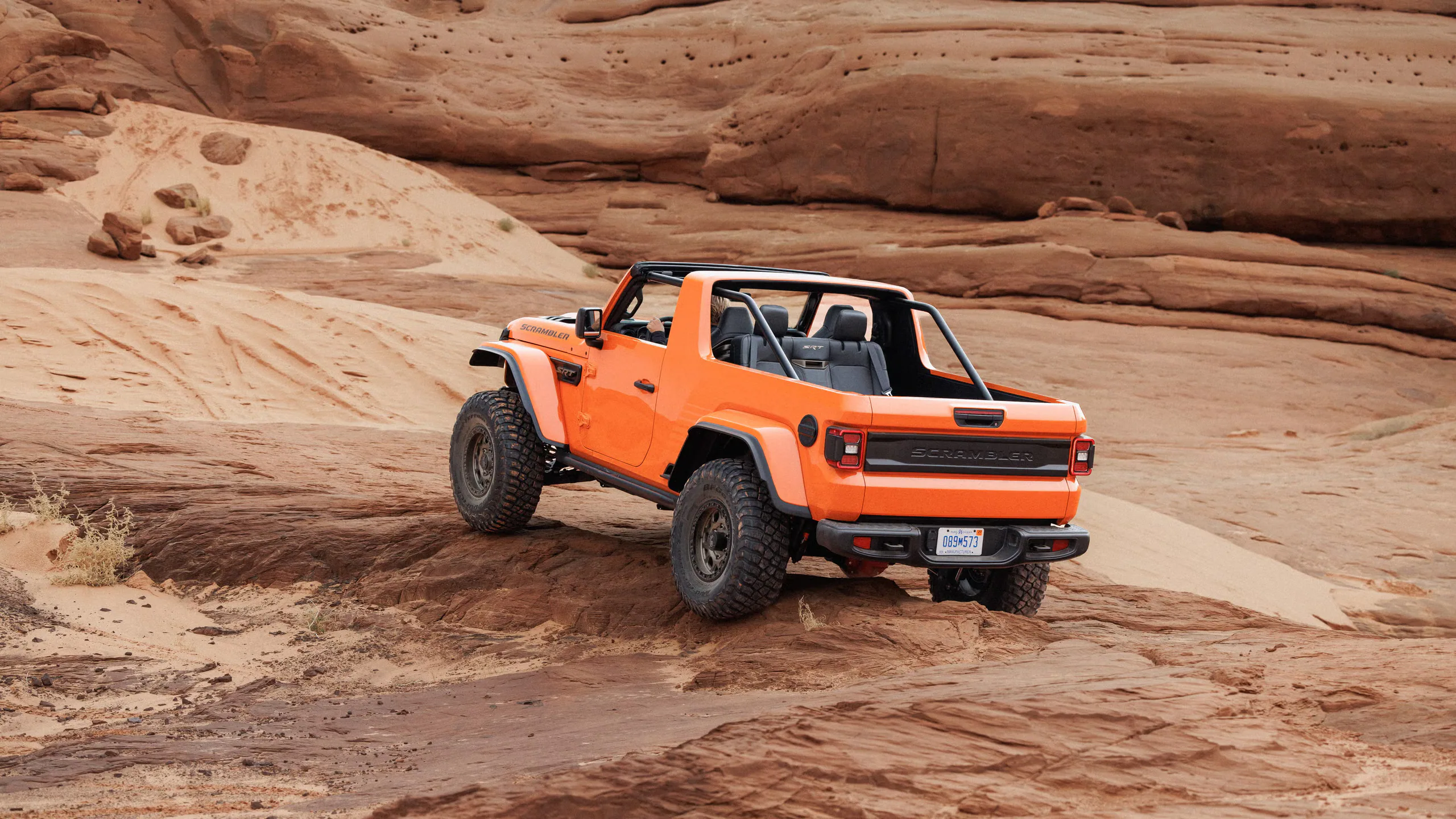
The concept keeps a usable truck bed rather than a token cutaway, adds longer doors and bespoke rear bodywork, and wraps the package in a Punk’n orange finish with bronze beadlock wheels. Jeep positions the Scrambler SRT as a modern take on the CJ‑8 Scrambler and a look at hardware the brand may put into production.
“The original Scrambler became an icon because it broke the rules. It looked different, worked differently and represented a certain kind of freedom that resonated with enthusiasts then and still does today,” said Tim Kuniskis, head of American brands, SRT Performance and Direct Connection, Stellantis North America.
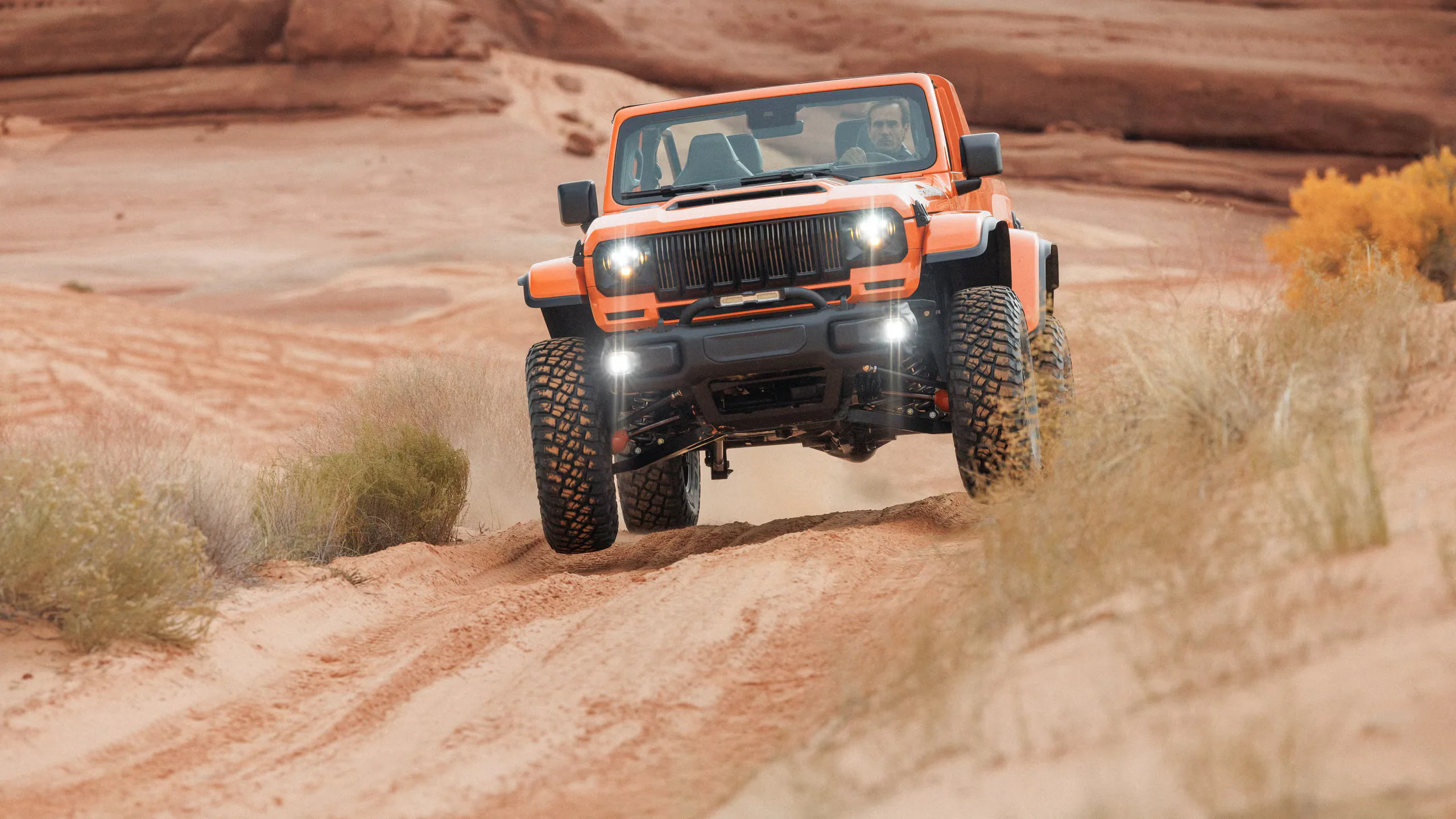
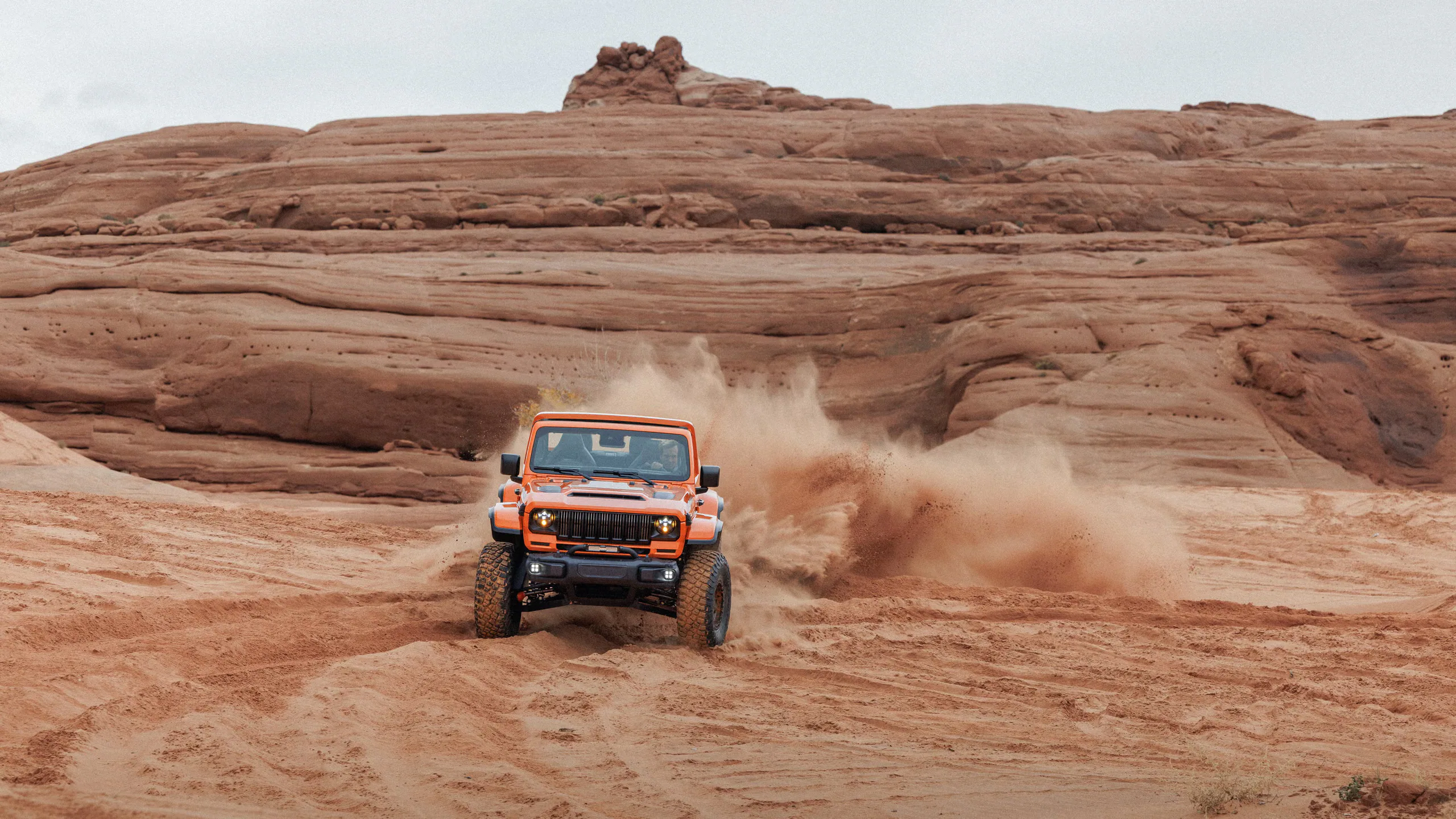
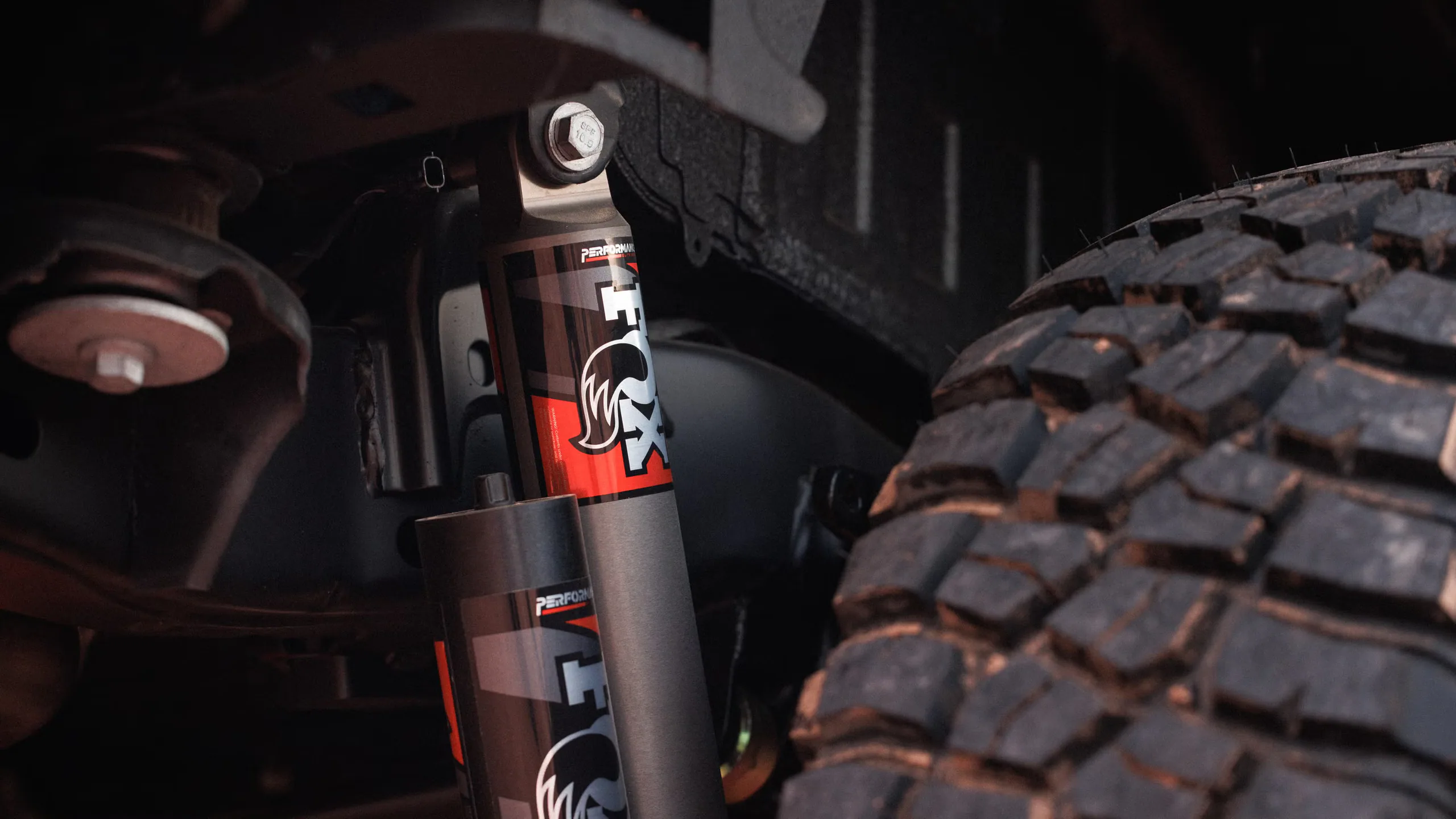
The headline mechanical change is the bespoke independent front suspension, developed with off‑road racer Casey Currie. Jeep and multiple outlets describe the front setup as high‑travel and race‑informed; Motor1 and The Drive report 14 inches of travel at the front and 15 inches at the rear, with Fox 2.5‑inch shocks at all four corners.
That independent front end is paired with a Trophy Truck–style rear axle intended to withstand repeated high‑speed impacts rather than prioritise rock‑crawling articulation. Jeep says the architecture aims to improve high‑speed stability, steering precision and wheel control for desert running—trading some low‑speed axle flex for control at pace.
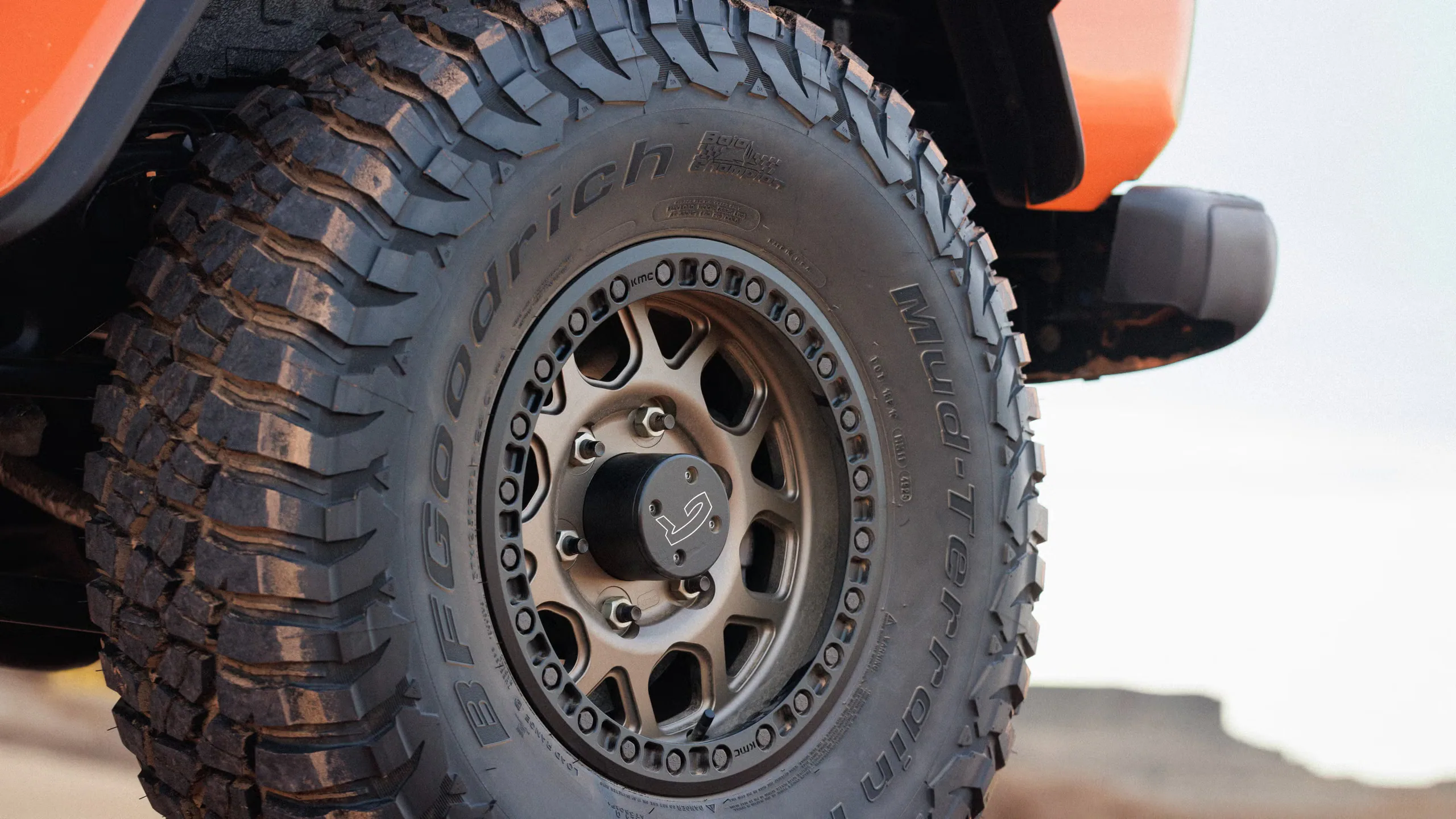
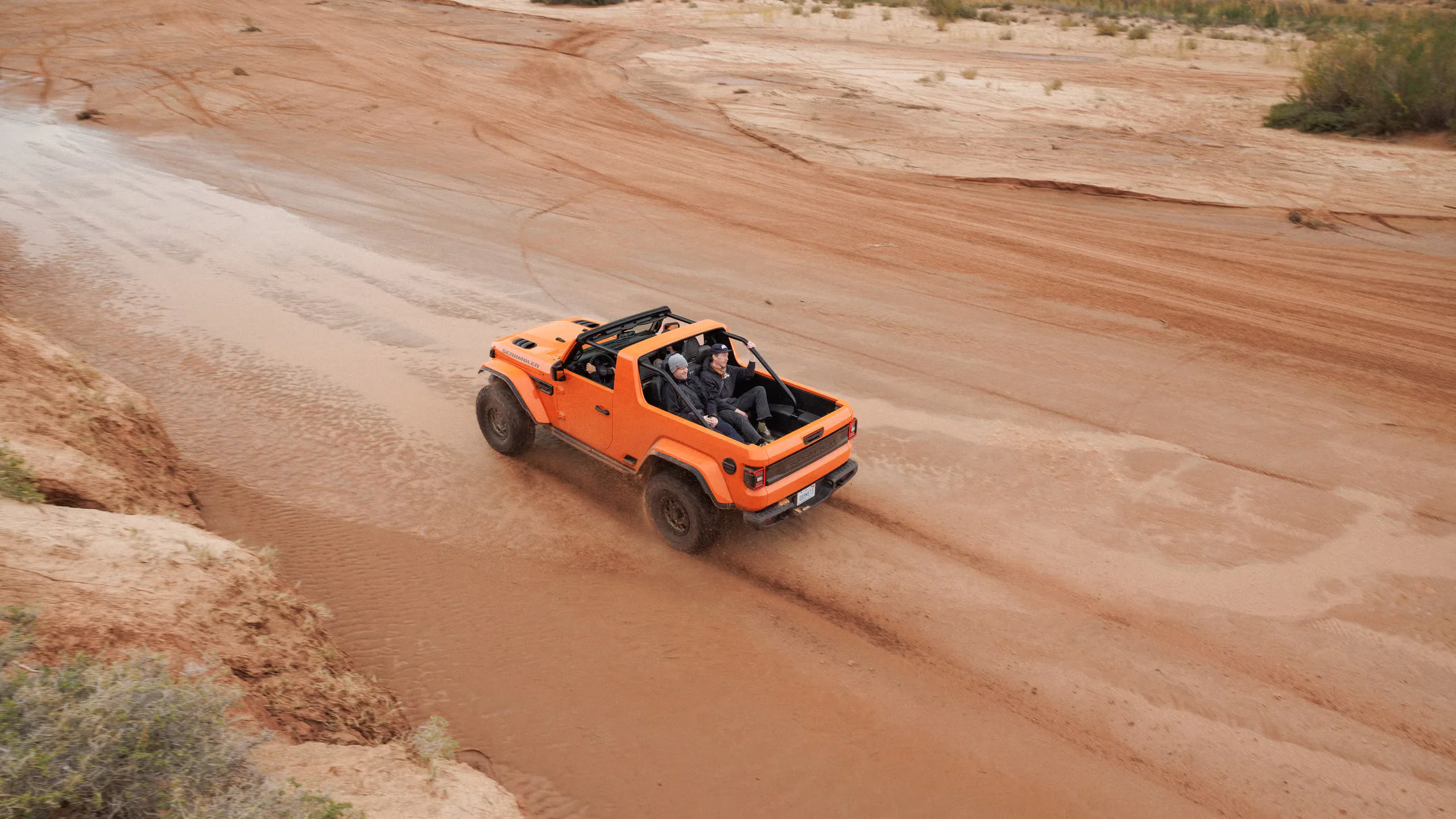
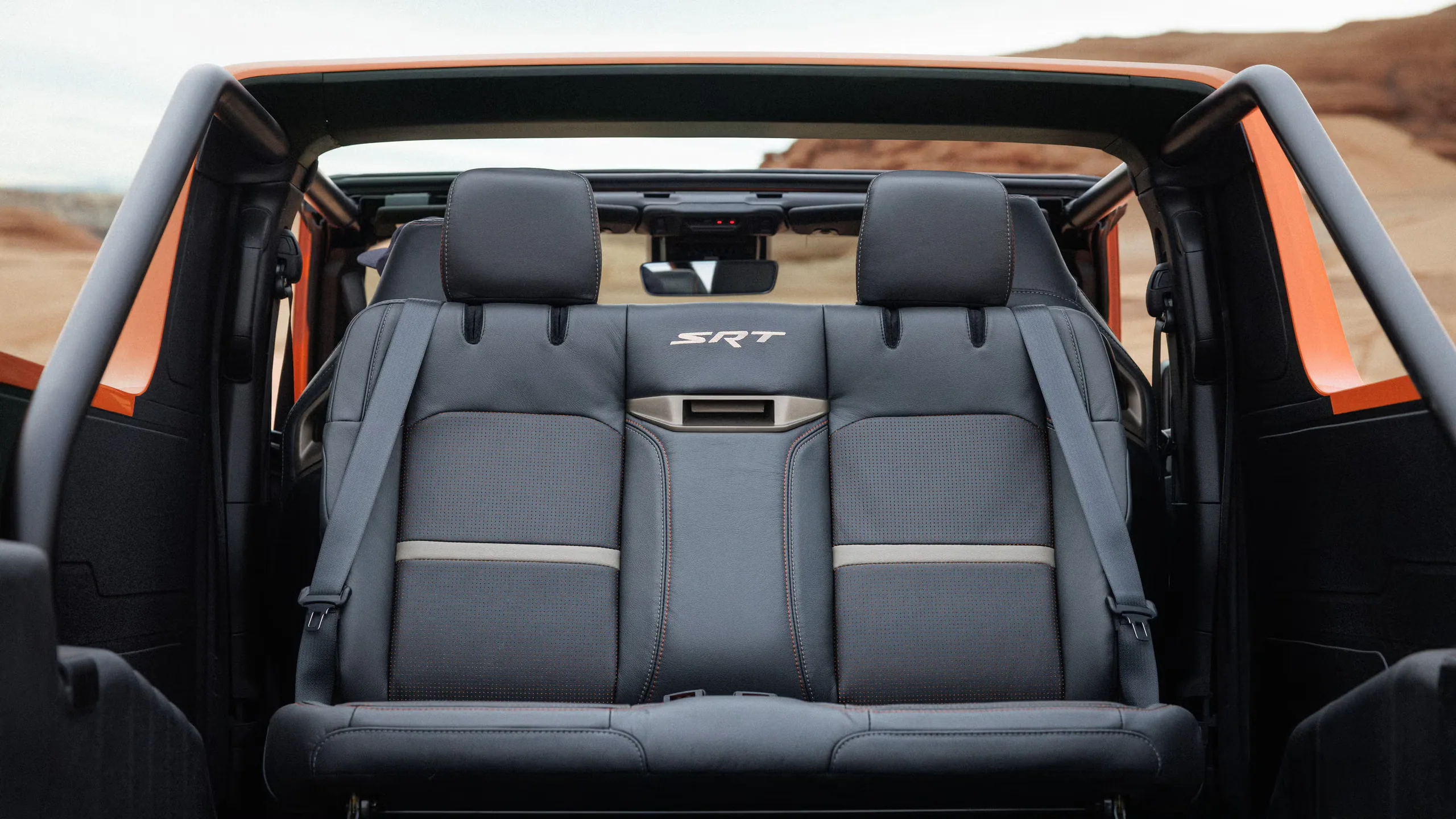
The concept sits on 37‑inch off‑road mud‑terrain tyres on beadlock wheels (The Drive and Motor1 name BFGoodrich for the tyres). Inside, the Scrambler features removable, floor‑mounted rear seats that can clip in forward or be rotated to face rearwards. Kuniskis described the seats as reversible and removable; he also said the rear cap can be removed like a classic K5 Blazer, creating an interior space that can feel similar to a four‑door Wrangler while retaining the pickup bed.
Several outlets report a V8 under the bonnet, but the detail varies by source. Motor1 and The Drive state the concept carries a 6.4‑litre Hemi V8 rated at 470 horsepower and 470 lb‑ft of torque. Road & Track notes that Jeep did not specify an exact engine in its public announcement and said the company left clues that a V8 is intended for the SRT‑badged concept; it suggested the Hellcat 6.2‑litre supercharged unit as a possible—and not confirmed—candidate.
Jeep describes the Scrambler SRT as a tool for high‑speed desert work rather than a trail‑crawling specialist, and the layout supports that: long‑travel suspension, trophy‑truck rear hardware, large tyres and a functional bed point to buyers who want open‑air, high‑speed capability.
Not all the concept’s features are finalised for a production model. Jeep presented the vehicle as a concept that imagines future hardware, and the company has not published a formal specification sheet or confirmed engine and exact production details.
Nonetheless, several reports place a production Scrambler on the roadmap. Car and Driver and Road & Track say the concept previews a production model that could arrive around 2028. The Drive, which says Tim Kuniskis showed the vehicle to journalists in May, reports there is no official timeline or price but suggests the truck is on the brand’s product plan; it also offers an editorial estimate that a production Scrambler SRT would cost more than $65,000 and might arrive before 2030.
The Drive adds that, because the concept is based on Wrangler underpinnings, a production Scrambler could plausibly be built at the same Toledo Assembly Complex in Ohio that produces Wrangler and Gladiator models—though Jeep has not confirmed a factory assignment.
Beyond the mechanical changes, the concept plays with adaptability: the rear seats clip into floor hooks for secure rear‑facing seating, or they can be removed to create stowage for bikes, camping gear or other equipment, according to Road & Track and Car and Driver. The Scrambler’s bed is described as functional rather than decorative, a deliberate distinction from some past show trucks.
Jeep’s presentation also signals a broader strategic note: Stellantis has talked publicly about several new vehicles and refreshes through the end of the decade, and the Scrambler name has been on the company’s list since an investor presentation in May that referenced a two‑door Scrambler pickup with an SRT variant. The SEMA concept appears intended to demonstrate what that SRT version could look and feel like in the real world.
For now, the Wrangler Scrambler SRT is a concept that points to tangible changes for the brand—most notably the move away from a solid front axle for at least some high‑speed off‑road models. Whether buyers will be able to order independent front suspension, a V8, or both on a production Scrambler remains to be confirmed by Jeep.
Sources: Car and Driver, The Drive, Road & Track and Motor1.com