Range Rover GT: an electric fastback tested at the Nürburgring ahead of its reveal
Range Rover has been running its all-electric GT – the brand's first purpose‑built fastback – on the Nürburgring as it prepares for a formal reveal. JLR says the model uses its new EMA platform and will initially be sold as an EV.
By Rudi Louw ·
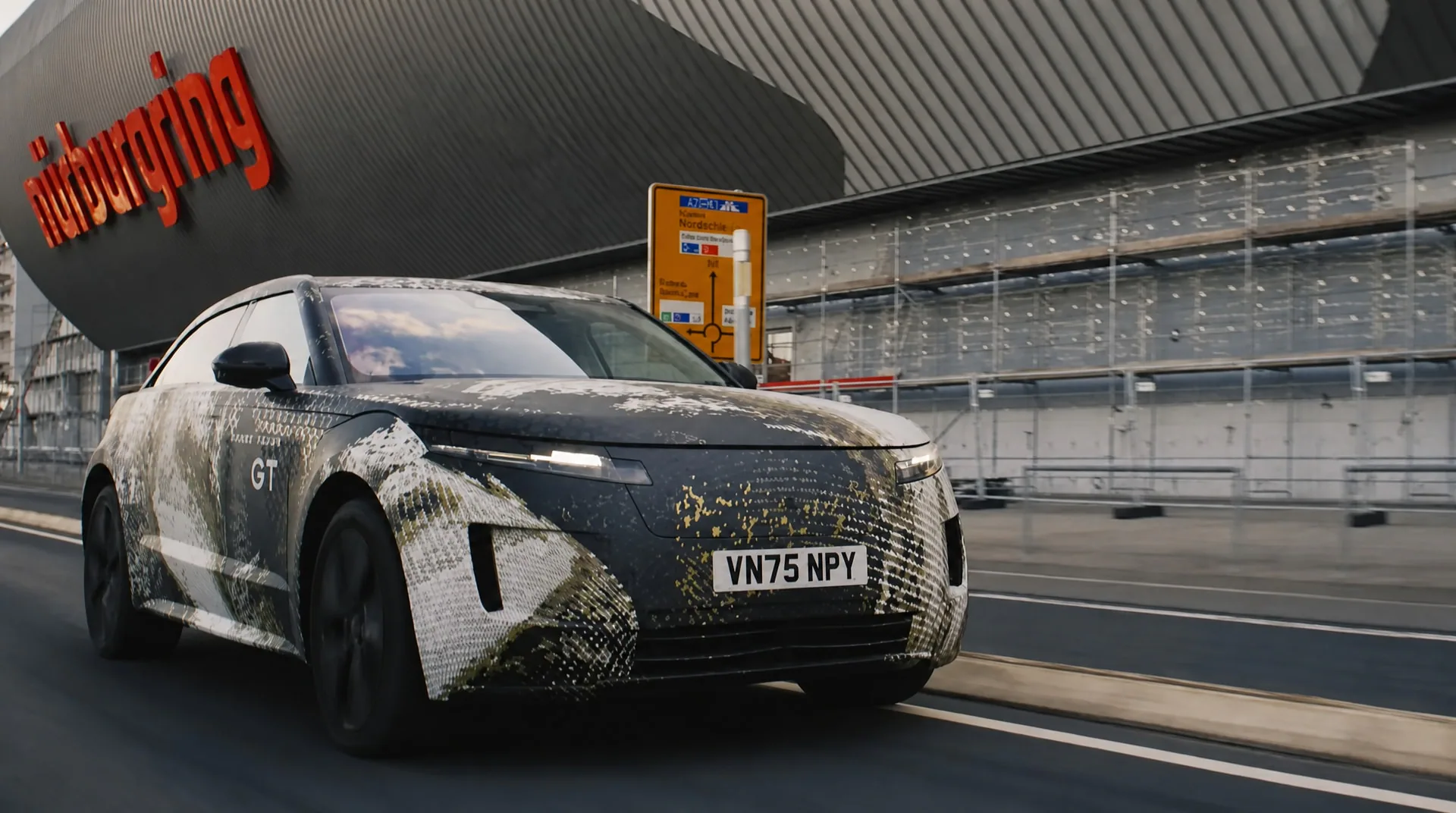
Range Rover has been testing prototypes of its new electric GT at the Nürburgring ahead of a formal reveal, taking the unusual step of putting a lower, fastback‑style model through hard dynamic work at one of the world's toughest circuits.
The GT marks a departure for the Range Rover family: it is the first vehicle to wear Range Rover badging that was conceived from the start as a fastback/GT/coupe rather than an SUV. Company material repeatedly describes it as a 'car' and a grand tourer, rather than another raised soft‑roader.
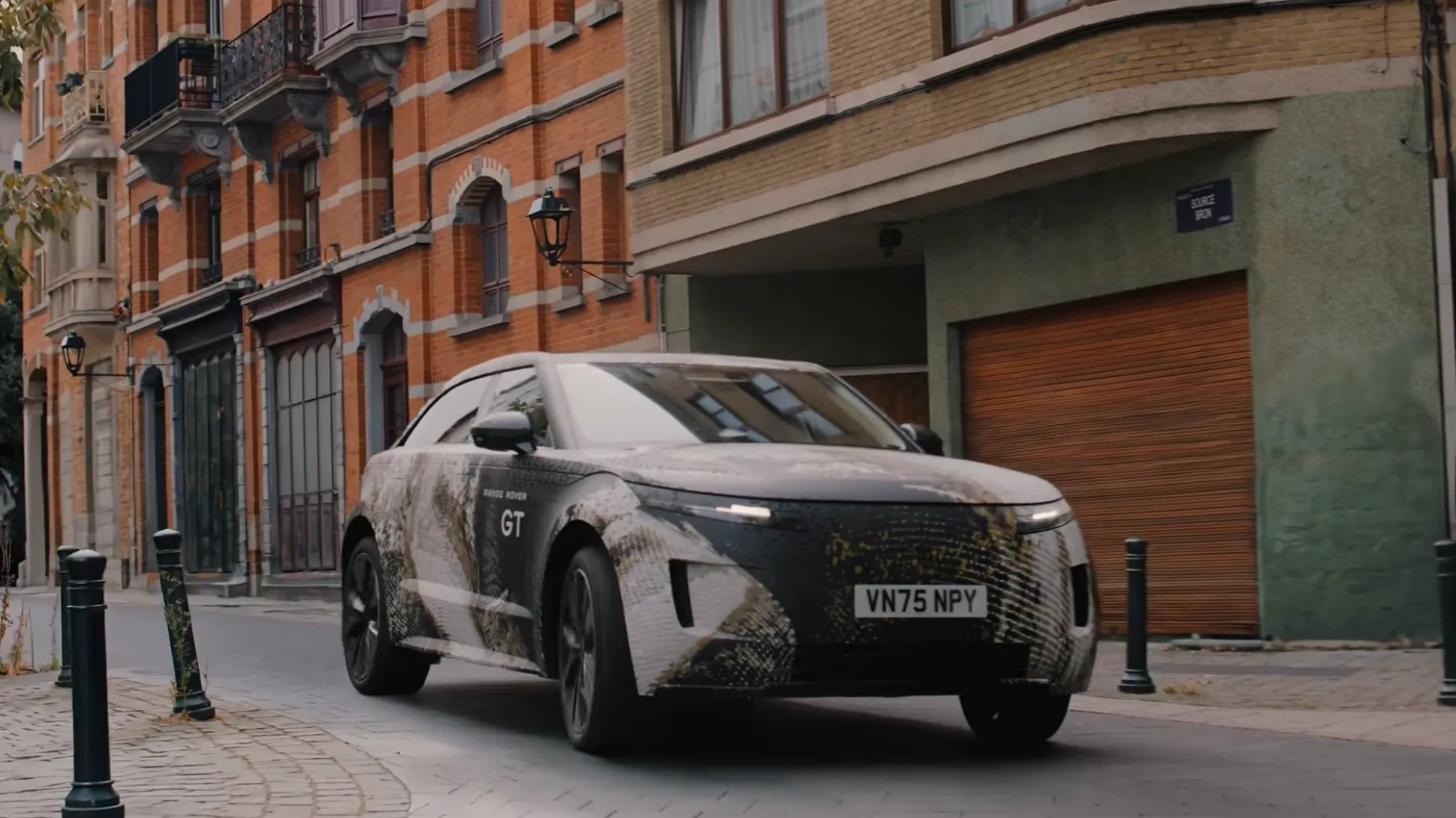
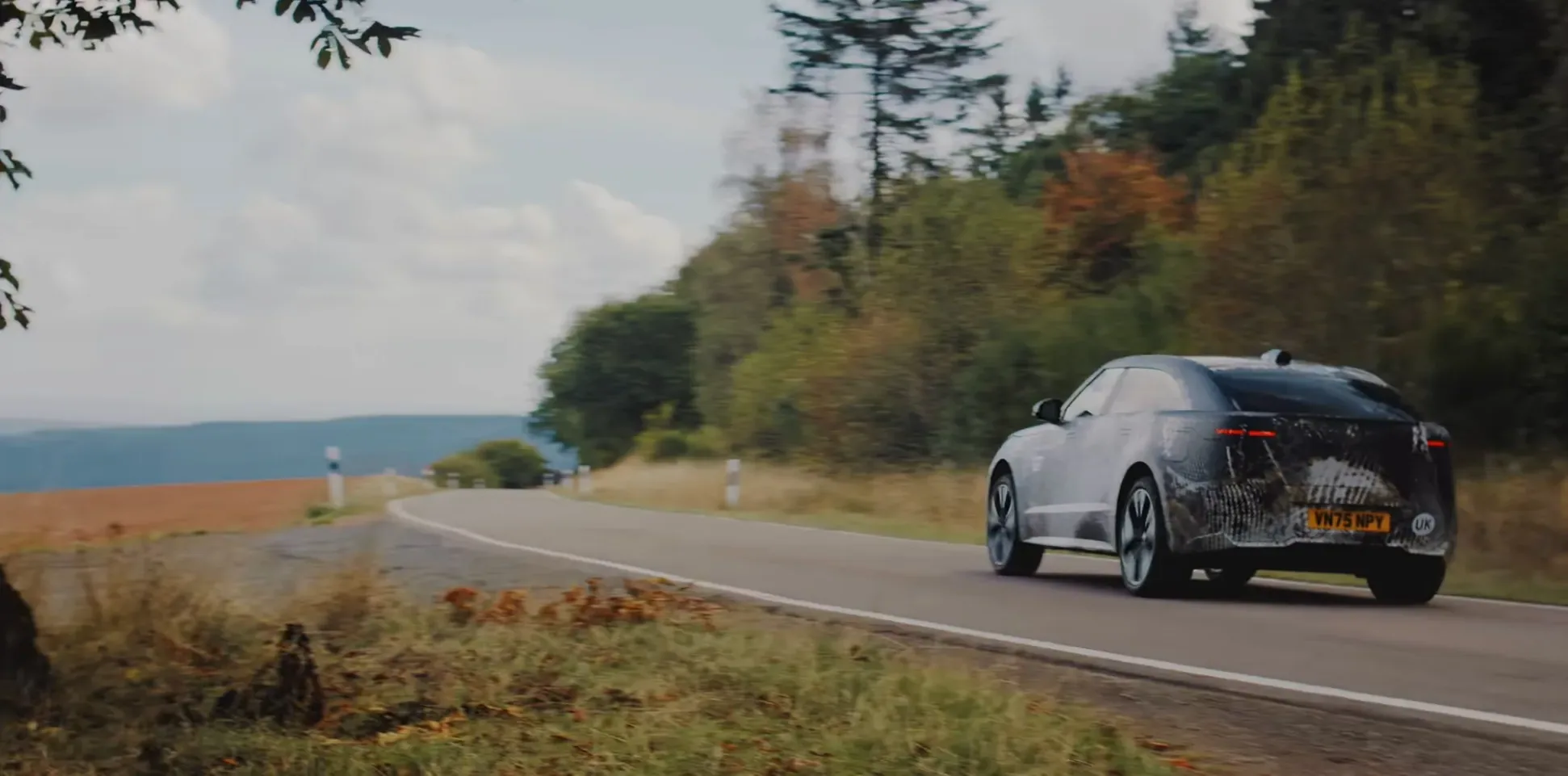
Onlookers have noted the GT's sweeping roofline, wide stance and familiar Range Rover design cues, but the prototypes wear heavy camouflage — one development car was even shrouded in bespoke gold wrap said to be inspired by the local topography around JLR's UK headquarters.
Architecture, powertrain and claimed range
Jaguar Land Rover has confirmed the GT will use its new Electric Modular Architecture (EMA) and will be sold initially as a battery electric vehicle. JLR also says the GT is developed with front and rear motors — a dual‑motor layout — and benefits from a low centre of gravity aimed at improving high‑speed stability and long‑distance comfort.
Reports differ on some electrical details. One account states the GT supports an 800‑volt architecture and should offer around 409 miles (658 km) of range. Other accounts suggest it may share technical components with JLR's forthcoming models — including an 850‑volt system, a roughly 118‑kWh NMC battery and DC fast charging capability up to about 350 kW — but those points remain unconfirmed by JLR.
JLR has not published output figures, battery capacity, official charging rates or a WLTP range figure for the GT, and the manufacturer has not released a Nürburgring lap time for the prototypes used in this testing.
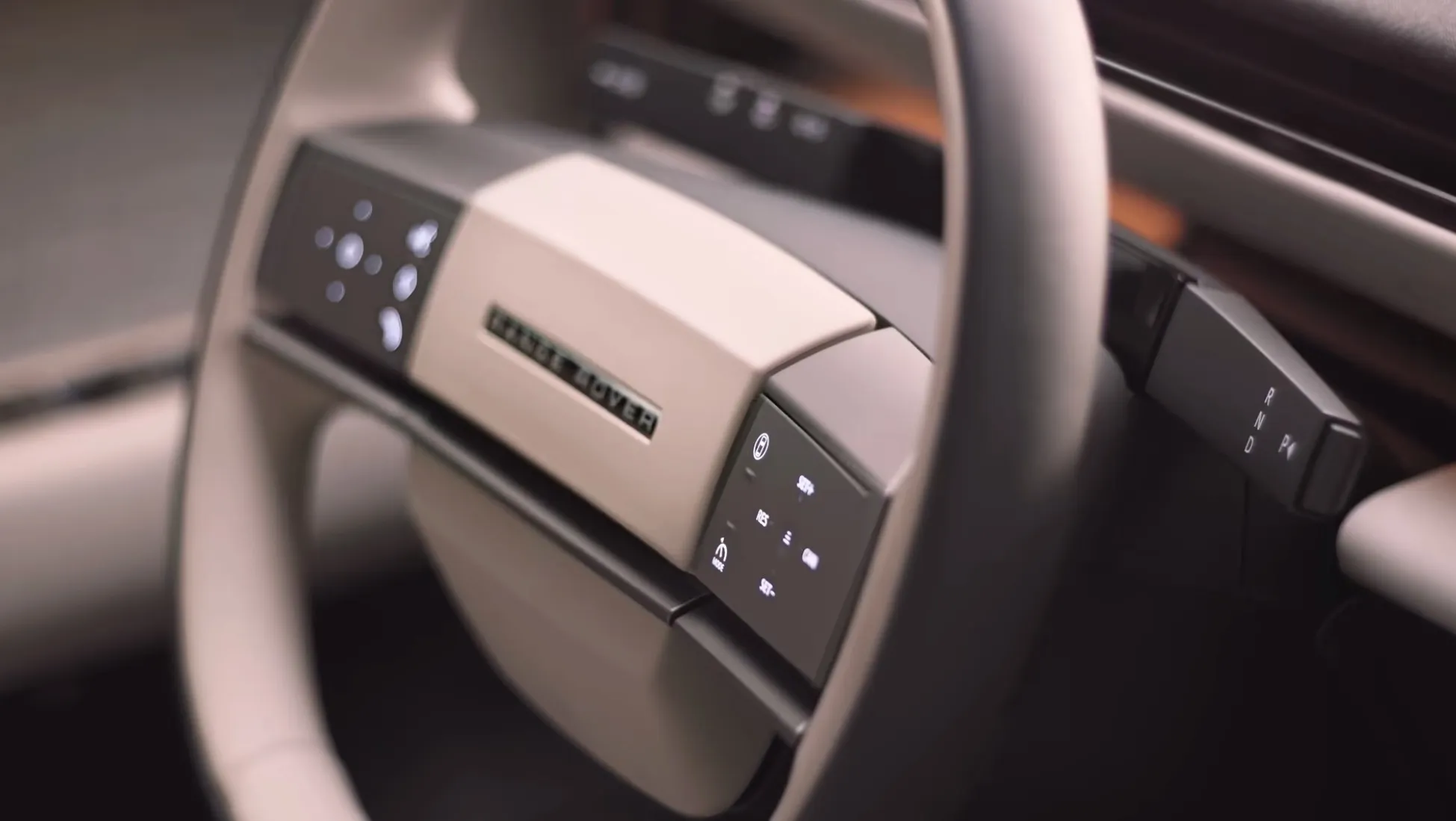
Interior detail is still scarce, though development material indicates the GT's cabin will depart from existing Range Rover layouts. Elements reportedly resemble those previewed on other new JLR models, including a floating centre console, a large central display and a steering design that moves away from traditional multi‑spoke wheels.
Despite its low ride height and sleek proportions, JLR says the GT will retain noteworthy capability off road. Video footage of prototypes shows the car driven on gravel and rutted surfaces, but observers note that the comparatively low clearance will inevitably reduce the GT's off‑road envelope compared with taller Range Rover models such as the Sport.
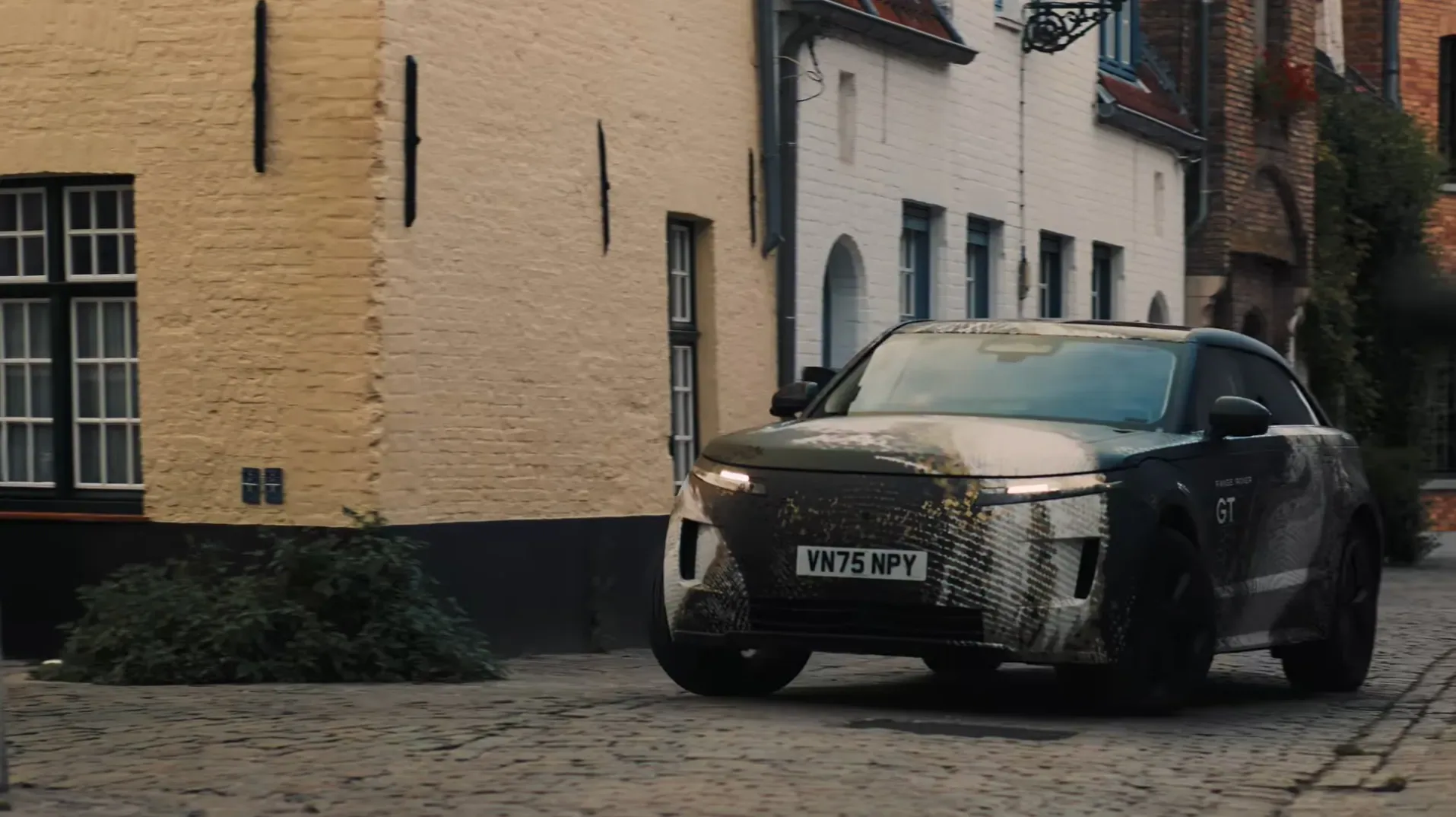
Prototypes were filmed on a development run from the UK through Belgium and on to Germany's Nürburgring, allowing engineers to refine ride, steering and long‑distance manners as part of the GT's grand‑touring brief.
JLR has given no production timetable, pricing or market availability for the GT. The company has not confirmed whether hybrid or range‑extended variants will arrive alongside or after the pure EV; JLR has said it has not ruled out hybrid or range‑extender options in the future.
More official information is expected before the end of the year, according to one report, but at present crucial details — battery size, power outputs, charging performance, exact range and a launch date — remain unconfirmed.
Sources: Supercar Blondie and CarScoops