Nissan revives the T‑top with the Z Kaze Concept at ZCON
Nissan has revealed the Z Kaze Concept at ZCON in Phoenix: a T‑topped, tuner‑inspired version of the current Z finished in Pacific Teal and fitted with restored NISMO LMGT2 wheels.
By CarNews247 Reporter ·
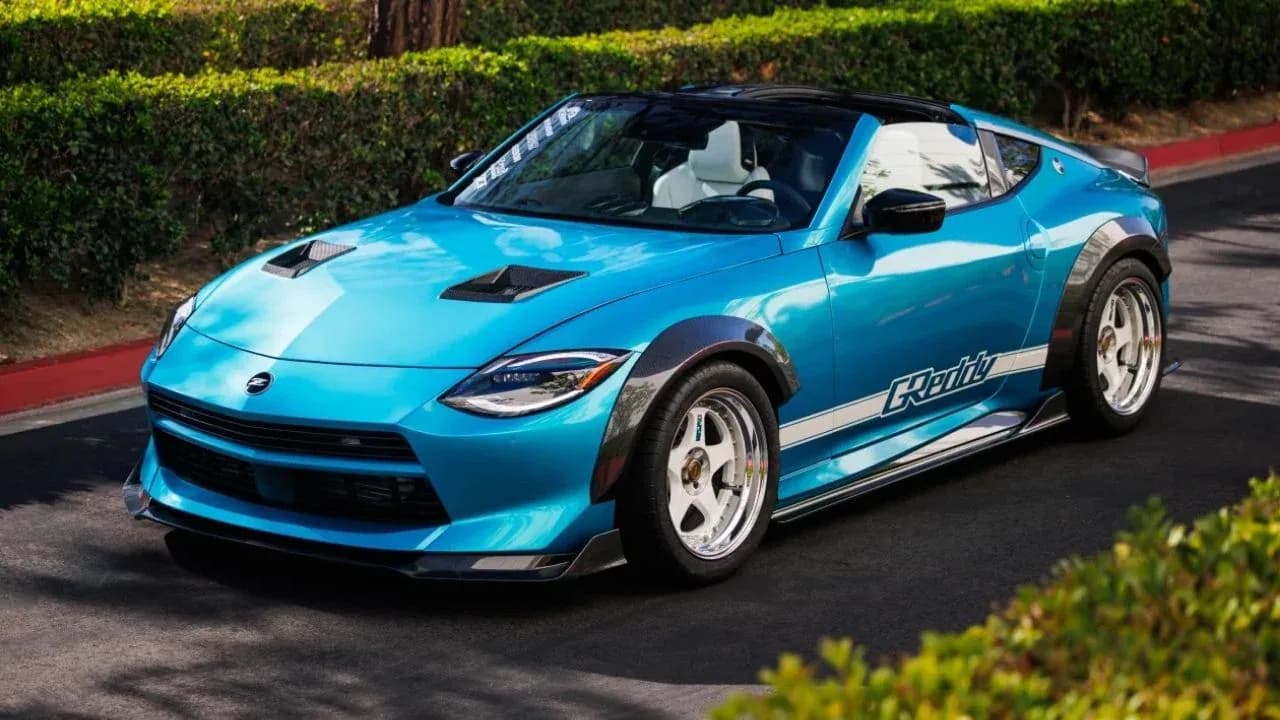
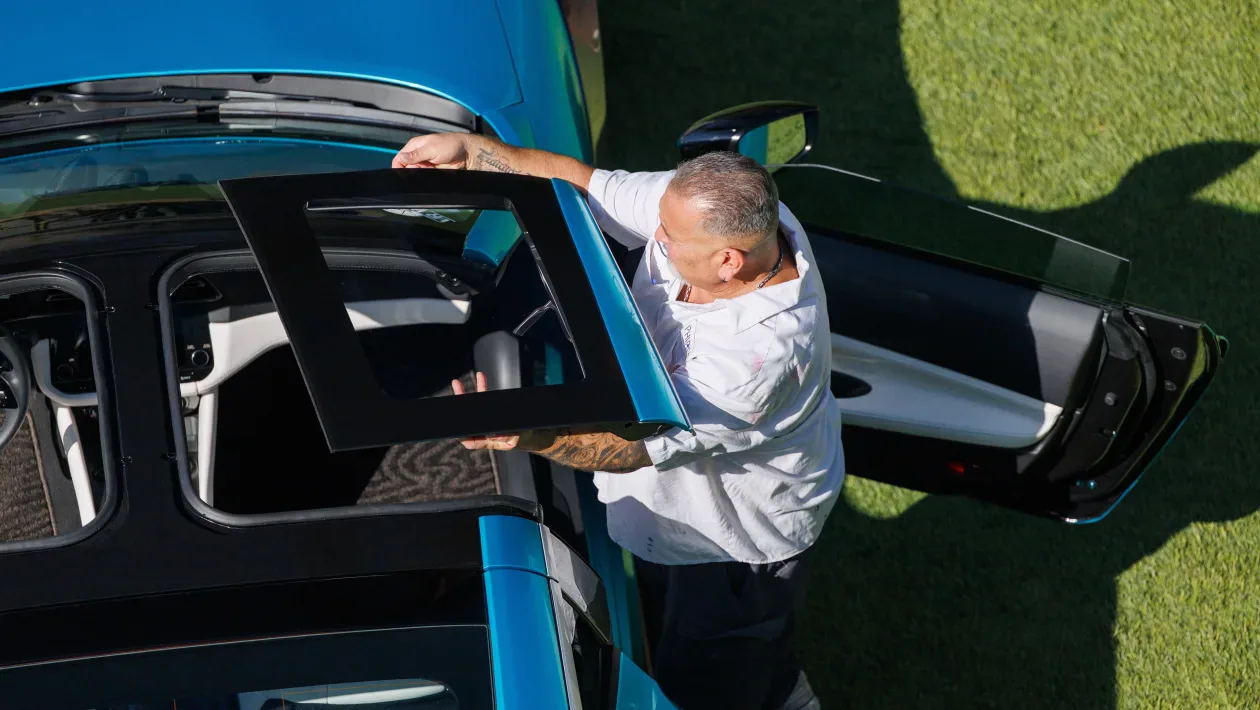
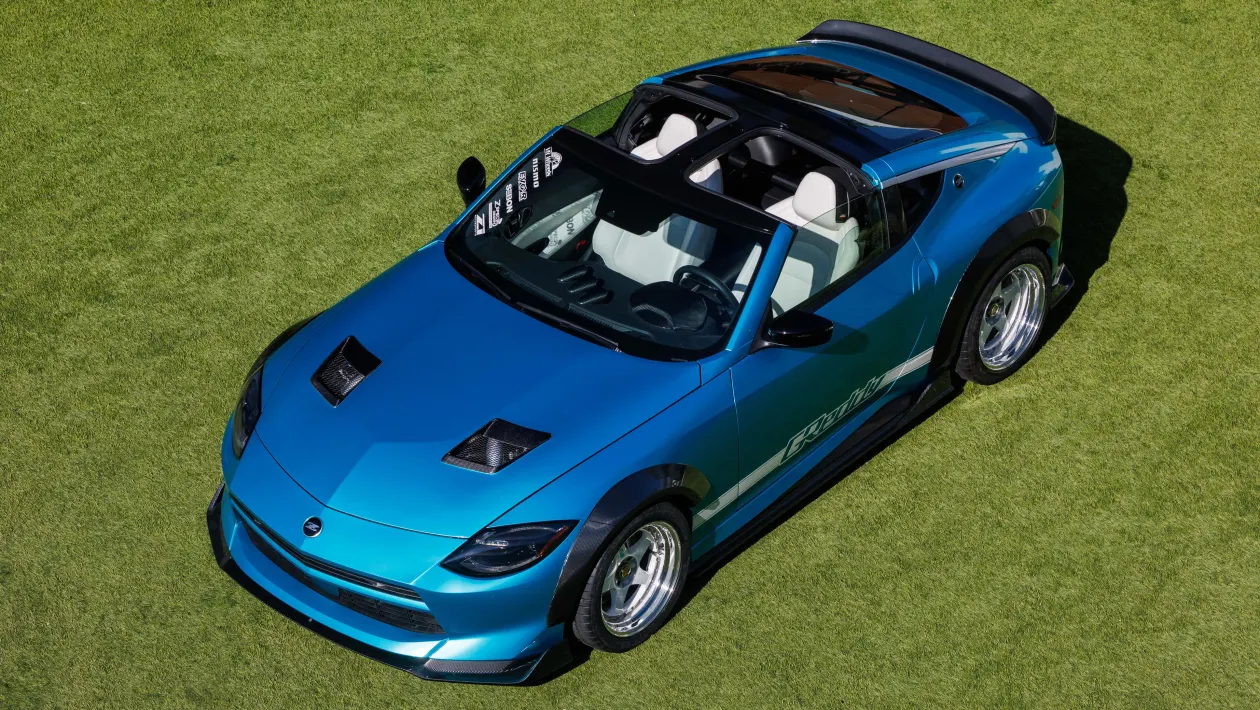
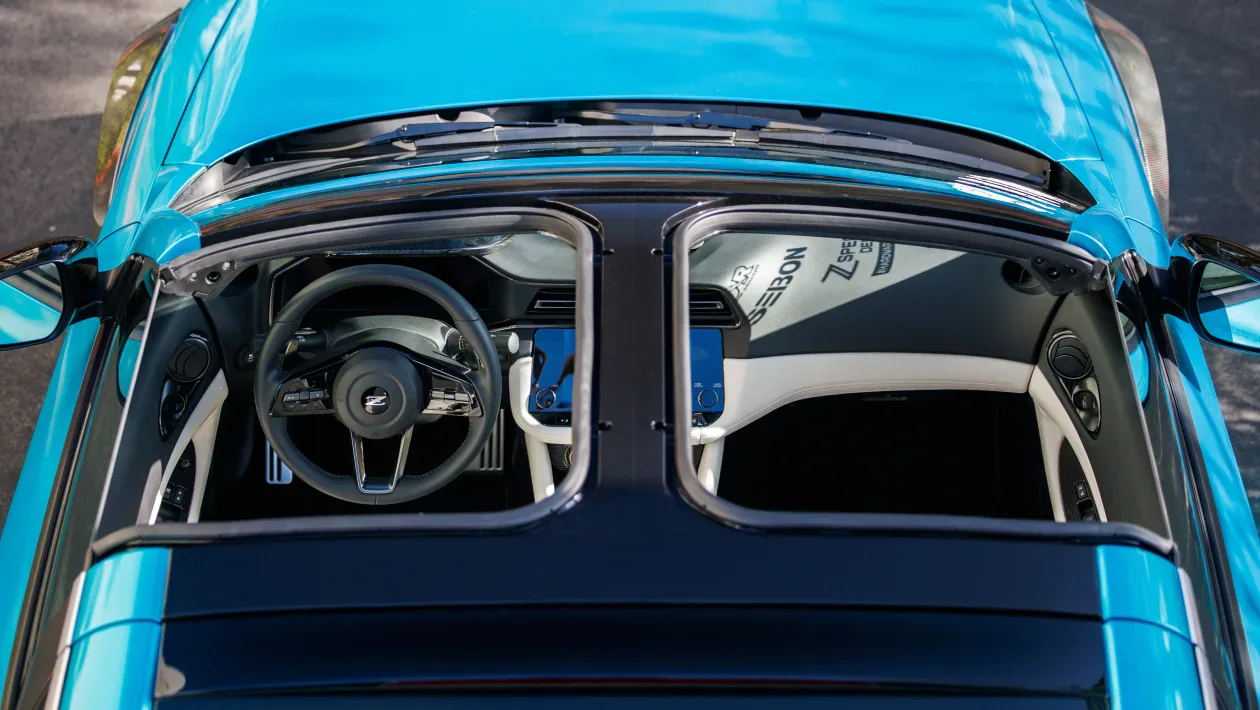
Nissan introduced the Z Kaze Concept at ZCON in Phoenix, Arizona, reworking the current Z into an open‑air, 1990s‑tuner homage. The headline feature is a custom T‑top roof with removable glass panels.
The name Kaze, which means ‘wind’ in Japanese, underlines the open‑air theme. Nissan says the concept was a passion project by its product planners and designers that looks back to the company’s open‑top sports cars and the 1990s tuner scene.
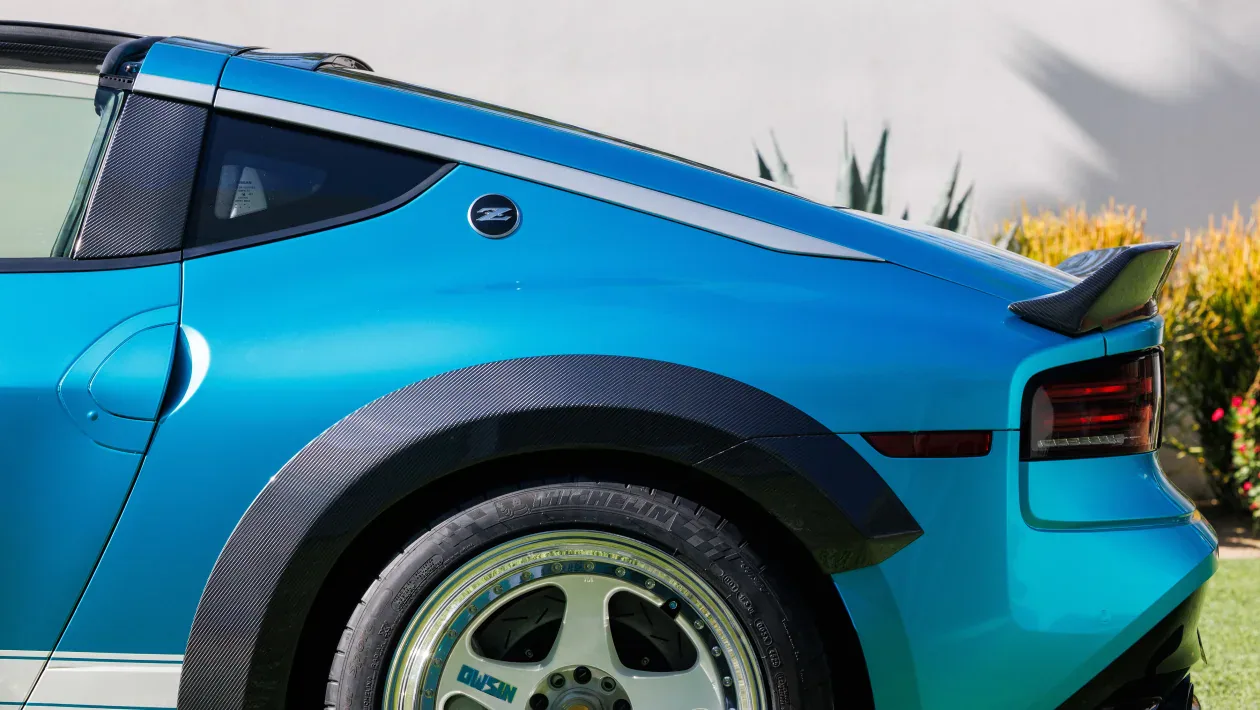
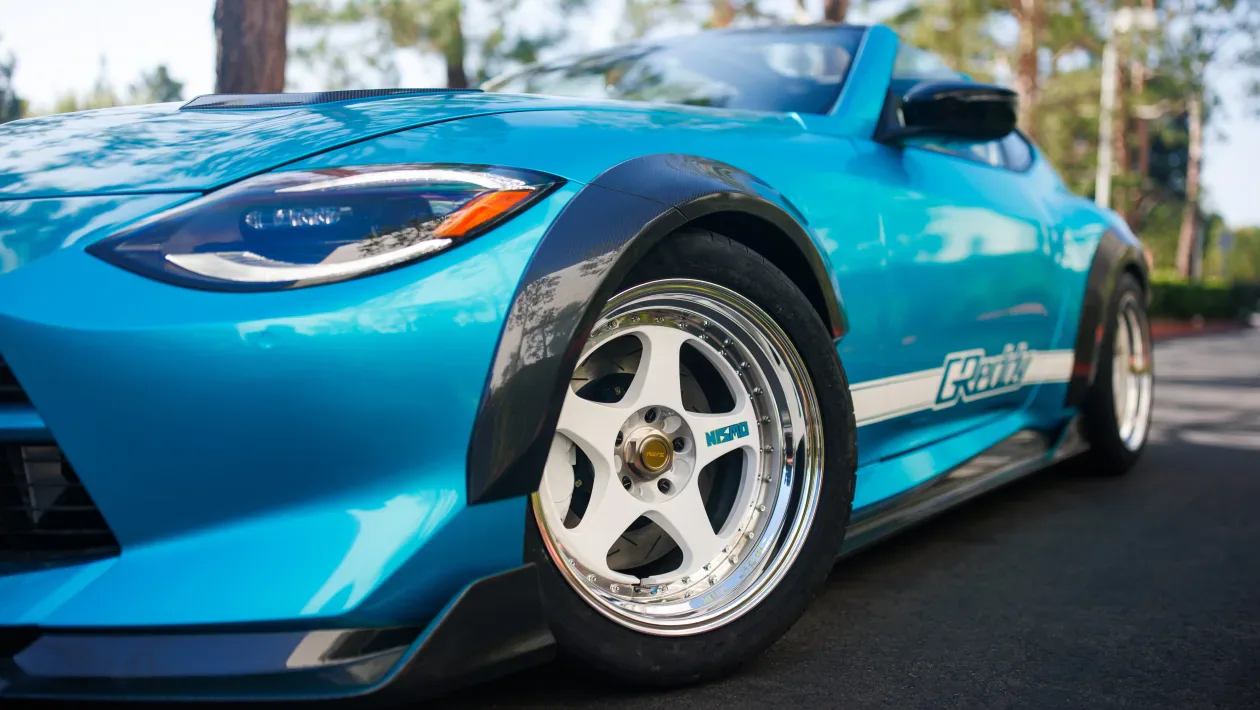
Visually the Z Kaze leans hard into retro cues and track‑style aggression. It’s finished in Pacific Teal and fitted with a vented carbon‑fibre hood, wider fenders and a custom carbon‑fibre body kit that gives the Z a much firmer stance than the standard model.
A particularly authentic touch is the original set of 18‑inch NISMO LMGT2 wheels Nissan sourced and had restored for the concept. They run 10 inches wide at the front and 11 inches at the rear, contributing to the wide, planted look.
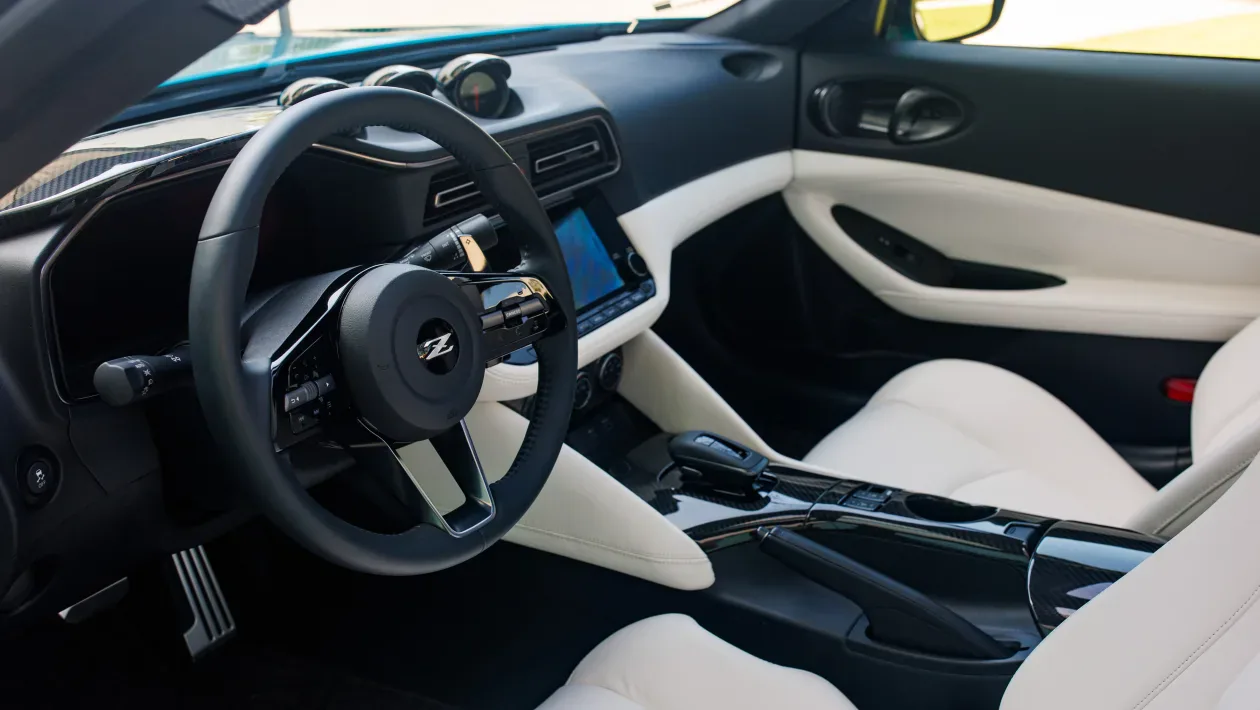
The cabin is also retouched: white leather‑appointed seats replace the darker trim of the regular Z and there is carbon‑fibre detailing. Nissan fitted Bose Personal Plus speakers into the headrests so occupants can still hear music with the roof panels removed.
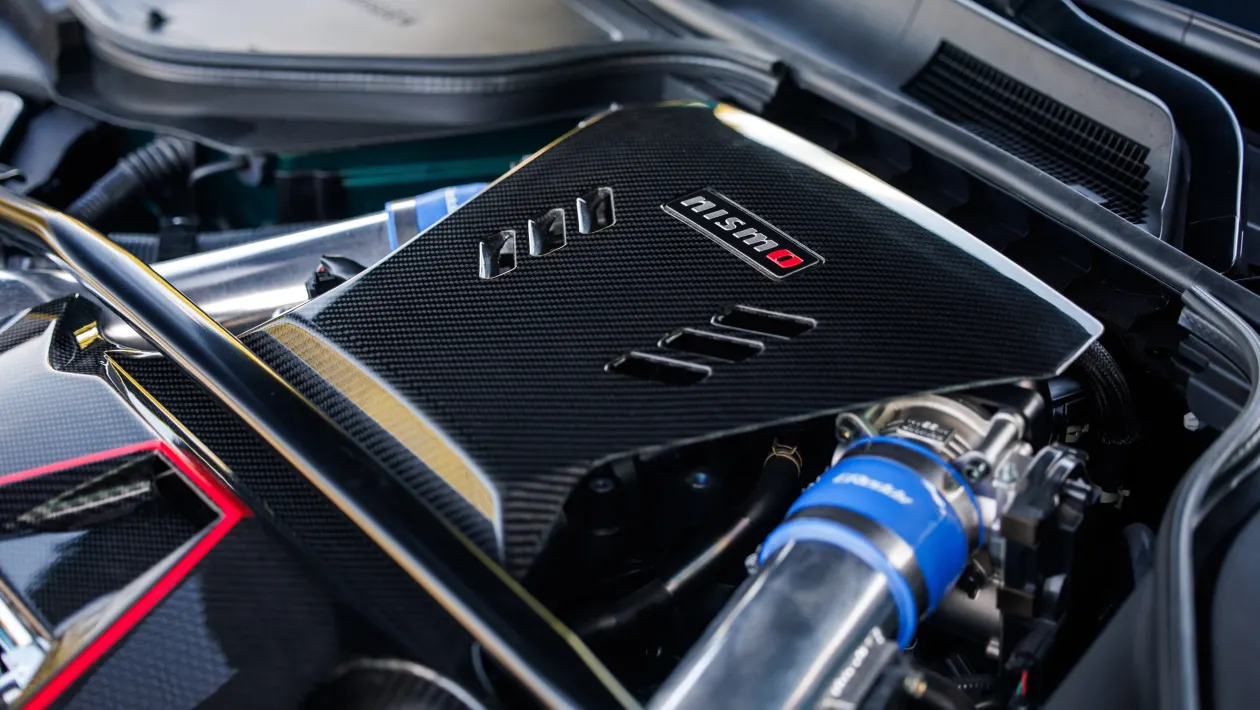
Under the skin, the concept uses upgraded NISMO suspension components and a suite of GReddy‑supplied hardware on the twin‑turbo 3.0‑litre V6, including a front‑mount air‑to‑air intercooler, an Airinx air‑filter kit and a SUPREME SP exhaust system.
Nissan has not said whether those GReddy changes increase the engine’s output beyond the standard Z’s 420 horsepower.
There is, however, a clear limitation: the Z Kaze is a concept. Nissan has not announced plans to put it into production, so it remains a one‑off exploration of what a modern Z looks like when given a heavy dose of 1990s Japanese car culture.
Source: Supercar Blondie