Study: connected cars share more personal data than smartphones; most automakers deferred
Research from Northeastern University and Consumer Reports found 21 vehicles from 19 brands and 30 companion apps share sensitive driving and non-driving data with numerous third parties. When asked, most manufacturers pointed to vendor contracts; only one changed its location-data policy.
By CarNews247 Reporter ·
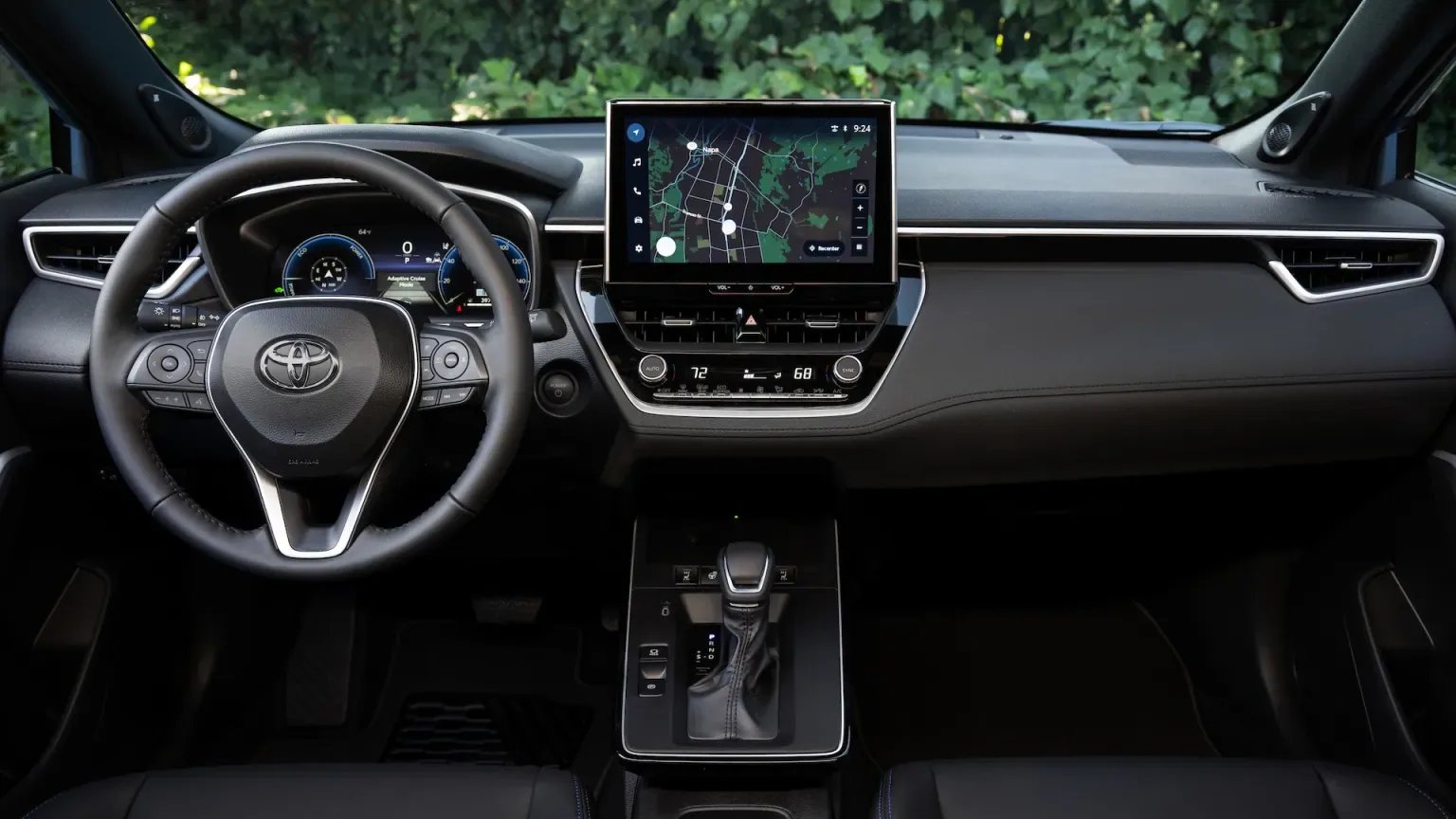
A new study by Boston’s Northeastern University in partnership with Consumer Reports says modern vehicles share owners’ sensitive information with far more recipients than many drivers realise, and much of that data is difficult to opt out of while using connected features.
The research examined 21 vehicles across 19 brands and analysed 30 companion mobile apps that process user data. The authors published an 18‑page paper detailing their methods and findings.
Researchers say the vehicles they studied are connected to the internet 24/7 and collect driving and behaviour data that, in many cases, cannot be fully disabled without losing modern convenience features. The study adds that some of the information shared is not strictly vehicle-related.
According to the paper, that information is being passed to a wider set of parties than owners might expect. The report highlights the number of third‑party recipients and how data flows between vehicle systems, apps and external vendors.
When the researchers contacted automakers for explanations about those data flows, the study reports, most manufacturers deferred responsibility to their vendor contracts rather than providing detailed disclosures or changes.
Only one automaker responded by modifying its location‑data policy after being contacted, the study says. The paper does not identify additional automakers that took comparable action.
The authors recommend greater transparency about what data cars and companion apps collect, who receives it and which aspects owners can control. The report is available in full from the researchers for readers who want the complete technical and methodological details.
Source: The Drive